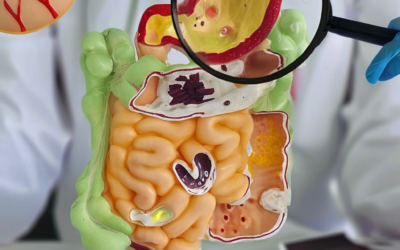
The Choice That Changed Everything: My Journey to Peace with Colectomy
This story represents a composite of common IBD experiences and is presented to help readers feel less alone in their journey.
The Moment Everything Shifted
I was sitting in my gastroenterologist’s office on a rainy Tuesday morning in March, staring at the familiar motivational poster on the wall—a kitten hanging from a tree branch with the words “Hang in There” printed below. How fitting, I thought, as Dr. Martinez closed my thick medical file and leaned forward with that expression I’d come to know too well over the past eight years. The expression that meant we were about to have one of those conversations.
“Sarah,” she said gently, “I think it’s time we seriously consider surgery.”
The words hung in the air like a challenge I wasn’t ready to accept. At 47, I had been living with ulcerative colitis since my late thirties, and while I’d heard this suggestion before, something about the way she said it this time felt different. Final. Like we’d reached the end of a very long road, and there was only one path forward.
Where It All Began
My journey with UC started innocuously enough—a few weeks of what I assumed was stress-related digestive issues during a particularly demanding period at work. I was managing a team of fifteen at a marketing firm, juggling client demands and tight deadlines. When the symptoms persisted, I attributed them to too much coffee and not enough sleep.
But then came the blood. The urgency that had me mapping every bathroom between my house and office. The fatigue that felt like someone had drained my life force overnight. My husband Mark watched helplessly as I lost twenty pounds in two months, my clothes hanging off me like I was playing dress-up in someone else’s wardrobe.
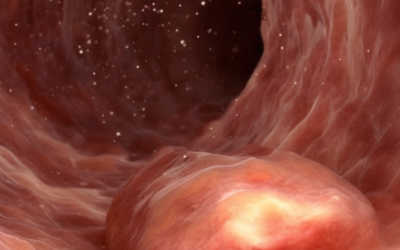
The diagnosis came after a particularly uncomfortable colonoscopy on a Friday afternoon in September 2015. Dr. Martinez, who was new to me then, sat down with the same gentle expression she’d wear years later when discussing surgery. “You have moderate to severe ulcerative colitis,” she explained, showing me pictures of my inflamed colon that looked like an angry, red landscape. “But the good news is, we have many treatment options.”
I remember feeling oddly relieved. Finally, a name for what was happening to me. Finally, a path forward. If only I had known then how winding that path would be.
The Long, Difficult Middle
What followed were years of what I now call “the medication merry-go-round.” We started with mesalamine, which helped for a while until it didn’t. Then came the prednisone—blessed relief accompanied by moon face, insomnia, and mood swings that made me feel like a stranger in my own body. Mark bore the brunt of my steroid-induced irritability with the patience of a saint, though I could see the worry lines deepening around his eyes.
When the steroids stopped working, we moved to immunosuppressants. Then biologics. Each new treatment came with its own set of side effects, its own routine of blood draws and monitoring appointments. I became fluent in the language of IBD—talking casually about infusion schedules and antibody levels like they were weather reports.
The hardest part wasn’t the physical symptoms, though those were brutal enough. It was watching my life shrink. I stopped accepting dinner invitations, too worried about flare-ups to enjoy a meal out. I declined a promotion that would have required travel, knowing I couldn’t trust my body to cooperate. Beach vacations became exercises in anxiety as I obsessed over bathroom locations and worried about accidents.
My relationship with my teenage daughter Emma grew strained. She was embarrassed by my frequent bathroom trips during her soccer games, frustrated when family plans got canceled because I was having a bad day. “Why can’t you just get better?” she asked once, and the question hit me like a physical blow because I was wondering the same thing.
By 2022, I was on my fourth biologic, experiencing partial responses that would fade after a few months. The flares were becoming more frequent and severe. I was missing more work, spending entire weekends in bed, and starting to feel like I was disappearing into my disease.
The Turning Point
The conversation that changed everything happened not in a doctor’s office, but in my kitchen on a Sunday evening in February. I was hunched over the counter, trying to prepare dinner while managing another flare, when Emma walked in. She was home from her freshman year of college for the weekend.
“Mom,” she said, her voice unusually serious, “I need to tell you something.”
I looked up, immediately worried. “What is it, sweetheart?”
“I’ve been scared to leave for college because I was afraid something would happen to you while I was gone. I’ve been scared my whole high school career that you were going to end up in the hospital and it would be my fault for not being there.”
Her words broke something open in me. I had been so focused on trying to manage my disease, to minimize its impact on our family, that I hadn’t realized how much my “normal” was affecting the people I loved most.
That night, I had an honest conversation with Mark about quality of life versus quantity of treatments. We talked about what we wanted our future to look like, about travel plans we’d put on hold, about the grandchildren we hoped to have energy to play with someday.
When Dr. Martinez brought up surgery again the following month, instead of my usual deflection, I asked different questions. Not “How can we avoid this?” but “What would recovery look like? What kind of life could I expect afterward?”
Finding My New Normal
The decision to proceed with a total colectomy with ileoanal pouch wasn’t made lightly. It took three more months of research, second opinions, and soul-searching. I connected with other people who’d had the surgery through online support groups, reading their stories of both challenges and triumphs.
The surgery itself was performed in three stages over six months. The recovery was harder than I expected—not just physically, but emotionally. I grieved the loss of my original anatomy, even though it hadn’t been serving me well. There were days when I questioned my decision, especially during the difficult adjustment period with the temporary ileostomy.
But gradually, something remarkable happened. For the first time in years, I began to feel like myself again. The chronic fatigue lifted. The constant worry about bathroom locations faded. I started making plans without the mental asterisk of “if I’m feeling well enough.”
Six months post-surgery, Mark and I took our first real vacation in over five years—a week in Tuscany that we’d been talking about for decades. I ate pasta without fear, walked cobblestone streets without constantly scanning for restrooms, and felt present in my own life in a way I’d almost forgotten was possible.
Today, two years post-surgery, my life looks different than I imagined it would, but it’s undeniably better. I have a j-pouch now, which requires its own learning curve and management strategies. I still have challenging days, and I still need to be mindful of my diet and stress levels. But I’m no longer a prisoner to my disease.
A Message of Hope
If you’re reading this and facing your own difficult treatment decisions, I want you to know that it’s okay to be scared. It’s okay to grieve the loss of the body you once had, even if that body wasn’t serving you well. It’s okay to take time to make these decisions—they’re not ones to rush into lightly.
But I also want you to know that sometimes the scariest choice is the one that leads to the greatest freedom. For years, I thought surgery meant giving up, admitting defeat. Now I understand it was actually choosing to fight for the life I wanted to live.
The path through IBD isn’t linear, and there’s no one-size-fits-all solution. What worked for me might not be right for you, and that’s okay. The important thing is to stay connected with healthcare providers you trust, to advocate for yourself, and to remember that you deserve to live fully, not just survive.
To those supporting someone through these decisions—your presence matters more than you know. To those facing surgery or other major treatment changes—you’re braver than you realize, and there’s a community here ready to support you through whatever comes next.
Sometimes the biggest risk is not taking one at all. Sometimes choosing the unknown path is exactly how we find our way home to ourselves.