The Hospital Bag I Wish I’d Packed: Lessons from My First IBD Admission
This story represents a composite of common IBD experiences and is presented to help readers feel less alone in their journey.
The Moment Everything Changed
I stared at the small duffel bag my mom had hastily packed for me, sitting on the sterile hospital bed like a sad reminder of how unprepared we all were. Inside were three pairs of pajamas, a toothbrush, and some random toiletries she’d grabbed from my bathroom counter. What it didn’t contain were the dozens of things I would desperately need over the next week as I navigated my first IBD hospitalization for a severe ulcerative colitis flare.
The emergency room doctor had just informed me that my hemoglobin was dangerously low from internal bleeding, and I’d need to be admitted immediately. At 24, I’d never spent a night in a hospital, and the thought of being stuck in this unfamiliar place terrified me almost as much as the diagnosis itself. Little did I know that this poorly packed bag would become the first of many lessons about surviving an IBD hospitalization.
The Panic of the Unknown
My first IBD hospitalization began three months after my initial ulcerative colitis diagnosis. I’d been struggling to find the right medication combination when a particularly brutal flare sent me to the ER with severe abdominal pain and bloody diarrhea. The gastroenterologist on call took one look at my labs and colonoscopy results and said the words that made my stomach drop: “We need to admit you for IV steroids and monitoring.”
I had no idea what to expect from a hospital stay, let alone one specifically for IBD. Would I be stuck in bed all day? How would I manage my frequent bathroom trips? What about the embarrassing aspects of my condition that I was still learning to navigate? My mom, bless her heart, had packed as if I were going to a sleepover, not preparing for a week-long medical intervention.
That first night, as I lay awake on the uncomfortable hospital mattress, I realized how much I didn’t know about advocating for myself in a medical setting. The nursing staff seemed knowledgeable about general patient care, but many had never worked closely with IBD patients and didn’t understand the specific challenges we face.
Learning the Hard Way
Over the next few days, I discovered through trial and error what I really needed to make my hospital stay more manageable. The hospital gowns were impossible to navigate with frequent bathroom trips – I wished I’d brought my own loose-fitting pajama bottoms and comfortable underwear that I wouldn’t mind potentially discarding. The thin hospital blankets did nothing for the cramping that kept me awake, and I found myself desperately wishing for my heating pad from home.
My phone died on day two because I’d forgotten to pack a charger, leaving me completely disconnected from my support system when I needed them most. The hospital food was bland and often contained ingredients that triggered my symptoms, but I hadn’t thought to research what foods might be available or how to request modifications.
Perhaps most challenging was learning to communicate with the medical team about my specific IBD needs. The first nurse assigned to me didn’t understand why I needed to use the bathroom so frequently or why certain medications needed to be timed carefully around meals. I felt embarrassed explaining the urgency of my bathroom needs, especially when she seemed frustrated by my frequent call button presses.
The resident who rounded on me each morning spoke in medical jargon I didn’t understand, rattling off lab values and treatment plans without explaining what they meant for my daily experience. I nodded along, too intimidated to ask questions, which only made me feel more anxious and out of control.
By day three, I was emotionally exhausted from trying to navigate this system while feeling physically terrible. I hadn’t prepared for the mental toll of being in an unfamiliar environment while dealing with a chronic illness that was still new to me.
Finding My Voice
The turning point came when my regular gastroenterologist visited on day four. She took one look at my stressed face and sat down to really talk with me about what I was experiencing. That conversation changed everything about how I approached my hospitalization.
She helped me understand the hospital hierarchy and taught me how to advocate for my specific IBD needs. I learned that I could request to speak with the charge nurse if my assigned nurse wasn’t familiar with IBD care. She showed me how to ask for explanations of my treatment plan in plain English and encouraged me to write down questions before rounds so I wouldn’t forget to ask them.
My doctor also helped me realize that I had rights as a patient – I could request dietary modifications, ask for my room to be closer to a bathroom, and even request specific accommodations like keeping a bedside commode for emergencies. These weren’t unreasonable demands; they were necessary adaptations for managing IBD in a hospital setting.
She also gave me practical advice about what to pack for future hospitalizations, drawing from her experience with hundreds of IBD patients. This conversation opened my eyes to how much more prepared I could have been.
Mastering the Hospital Stay
Today, several hospitalizations later, I’ve become something of an expert at surviving IBD hospital stays. My “hospital bag” is now a carefully curated collection of items that make the experience as comfortable as possible.
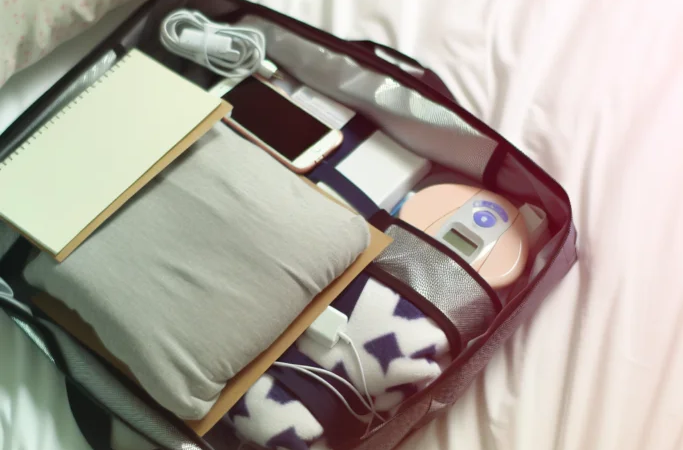
My essential packing list includes multiple phone chargers (one for the bedside and a portable battery pack), comfortable pajama bottoms that are easy to remove quickly, disposable underwear for particularly bad days, and my own heating pad for cramping. I pack bland snacks that I know are safe for my system, along with a list of dietary restrictions to share with the nutrition team.
I’ve learned to bring entertainment that doesn’t require much mental energy – audiobooks, simple puzzle books, and downloaded Netflix shows for when I’m feeling too unwell to concentrate on reading. I also pack a small notebook to write down questions for my medical team and track my symptoms throughout the day.
Most importantly, I’ve developed a discharge planning checklist that I review with my medical team before leaving. This includes getting a complete list of my current medications with dosages, scheduling follow-up appointments before I leave, understanding any dietary restrictions or activity limitations, and knowing exactly what symptoms should prompt me to call my doctor or return to the hospital.
I’ve also learned to ask for a medication reconciliation meeting with the hospital pharmacist, especially when new drugs have been added or dosages changed. This prevents dangerous mix-ups when I get home and ensures I understand how to take everything properly.
Hope for Your First Stay
If you’re facing your first IBD hospitalization, please know that feeling scared and unprepared is completely normal. Every IBD warrior has been where you are now, staring at that hospital admission bracelet and wondering what comes next.
Remember that you are your own best advocate. Don’t be afraid to ask questions, request accommodations, or speak up when something isn’t working for you. The medical team wants to help, but they need to understand your specific needs to provide the best care.
Pack thoughtfully – comfort items, practical necessities, and anything that will help you feel more like yourself in an unfamiliar environment. Most importantly, remember that this hospitalization is a step toward better health, not a step backward in your journey.
You’re stronger than you know, and you’re not alone in this experience. The IBD community is here to support you, and each hospital stay teaches you something valuable about managing your condition and advocating for yourself.
Your first IBD hospitalization might feel overwhelming, but it’s also an opportunity to learn, heal, and build confidence in navigating your healthcare journey. You’ve got this.