The Night Before: My First Colonoscopy at 22

This story represents a composite of common IBD experiences and is presented to help readers feel less alone in their journey.
I stood in my tiny apartment kitchen at 6 PM, staring at the large plastic jug of MoviPrep like it was my nemesis. The clear liquid sloshed ominously as I picked it up, and I could already taste the artificial lemon flavor that everyone had warned me about. Tomorrow morning, I would have my first colonoscopy at 22 years old, and right now, this prep solution felt like the biggest mountain I’d ever had to climb.
“You can do this, Maya,” I whispered to myself, unscrewing the cap. The smell hit me immediately—medicinal and sweet in all the wrong ways. I’d been dreading this moment for weeks, ever since my gastroenterologist scheduled the procedure to investigate my ongoing digestive issues. All the online forums and YouTube videos in the world couldn’t have prepared me for the reality of holding that first glass of prep solution, knowing I had three more liters to go.
The Beginning: When Everything Started
The path to my first colonoscopy began six months earlier with what I thought was just stress from college. I was experiencing cramping, irregular bowel movements, and fatigue that I attributed to my senior year workload and too much campus dining hall food. But when I started seeing blood in my stool, I knew something was seriously wrong.
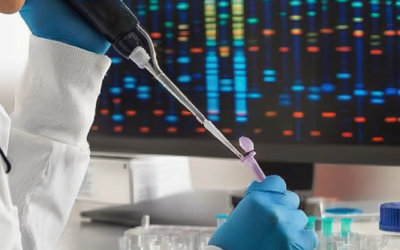
My family doctor ran some initial tests—blood work, stool samples, the works. When inflammation markers came back elevated and I tested positive for calprotectin, she referred me to Dr. Rodriguez, a gastroenterologist who specialized in inflammatory bowel disease. The word “colonoscopy” first entered my vocabulary during that initial consultation.
“I know it sounds intimidating,” Dr. Rodriguez had said, her kind eyes meeting mine across the examination table. “But it’s the gold standard for diagnosing IBD. We need to see what’s happening inside your colon to give you the right treatment.”
I nodded like I understood, but inside, my mind was racing. I’d never had any kind of medical procedure before. The idea of being sedated, of having a camera inserted into my body, of strangers seeing parts of me that I’d never even seen myself—it was overwhelming. I left that appointment with a thick packet of pre-procedure instructions and more questions than answers.
The weeks leading up to the colonoscopy were filled with anxiety-driven Google searches. I read everything I could find about the procedure, watched sanitized medical videos, and scrolled through endless Reddit threads where people shared their experiences. Some said it was “no big deal,” while others described the prep as “the worst 24 hours of my life.” I didn’t know which camp I’d fall into.
The Struggle: Prep Day and Procedure Anxiety
The real struggle began with the pre-procedure diet restrictions. Three days before my colonoscopy, I had to eliminate all high-fiber foods, nuts, seeds, and anything with red or purple coloring. As someone who lived on campus and relied heavily on the dining hall, this was more challenging than I’d anticipated. I found myself reading ingredient labels obsessively, second-guessing every food choice.
The day before the procedure—prep day—was when things got real. I had to take the day off from classes and work, which meant explaining to professors and my part-time job supervisor why I needed time off. Saying “I’m having a colonoscopy” at 22 felt awkward and prompted uncomfortable questions I wasn’t ready to answer.
The clear liquid diet was surprisingly difficult. By noon, I was fantasizing about solid food, and the constant hunger made me irritable and anxious. But the real challenge came at 6 PM when I had to start drinking the prep solution.
That first glass of MoviPrep was brutal. The texture was thick and slimy, and the artificial flavor coating my mouth made me gag. I set a timer for every 15 minutes, forcing myself to drink 8 ounces each time. By the third glass, I was fighting nausea. By the fifth, I was crying in frustration.
“I can’t do this,” I called my mom, sobbing into the phone. “It’s disgusting, and I feel sick, and I don’t understand why this has to be so horrible.”
She talked me through it, reminding me that this was temporary and necessary. “Think of it as medicine,” she said. “It’s helping the doctors help you.”
The effects started about two hours after I began drinking. The cramping was intense, and I spent most of the evening in the bathroom. I’d set up a little station with my phone, water, and wet wipes, trying to make the experience as comfortable as possible. The frequency and urgency were unlike anything I’d experienced, even with my ongoing digestive issues.
Sleep was nearly impossible. I had to wake up at 4 AM to drink the second half of the prep solution, and the anxiety about the procedure kept my mind racing. I kept thinking about what they might find, whether I’d wake up from sedation properly, and how I’d handle a potential IBD diagnosis.
The Turning Point: Procedure Day Revelations
The morning of my colonoscopy, I was exhausted, dehydrated, and terrified. My roommate drove me to the outpatient center, where I checked in with shaking hands. The waiting room was full of people of all ages, and I realized I was probably the youngest person there by at least 20 years.
The pre-procedure process was more thorough than I’d expected. I changed into a hospital gown that opened in the back (cue more embarrassment), and a nurse named Jennifer walked me through everything that would happen. She was incredibly kind and seemed to sense my anxiety.
“First colonoscopy?” she asked, and when I nodded, she smiled warmly. “You’re going to do great. Dr. Rodriguez is excellent, and you’ll be asleep for the whole thing. Most people say the prep was the worst part.”
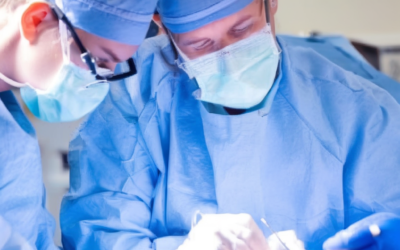
She was right. The IV insertion was quick, and before I knew it, I was being wheeled into the procedure room. The last thing I remembered was Dr. Rodriguez asking how I was feeling, and then I was waking up in recovery.
The relief I felt upon waking up was immediate and overwhelming. It was over. I had survived my first colonoscopy. But more importantly, I was about to get answers.
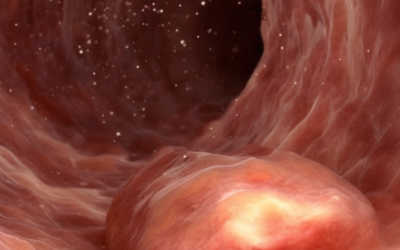
Dr. Rodriguez came to speak with me as I was fully waking up. “We found some inflammation in your terminal ileum and a few small ulcers in your colon,” she explained, showing me pictures on a tablet. “The pattern is consistent with Crohn’s disease, but we’ll need to wait for the biopsy results to confirm.”
Strangely, I felt relieved rather than scared. After months of uncertainty and symptoms that were getting worse, having a potential explanation felt like a gift. The colonoscopy had given us the roadmap we needed to move forward with treatment.
Living Well Today: Colonoscopy Confidence
It’s been three years since that first colonoscopy, and I’ve had two more since then to monitor my Crohn’s disease. Each one has gotten easier, both physically and emotionally. I now know exactly what to expect, which prep solution works best for me (I’ve switched to SuTab pills), and how to make the experience as comfortable as possible.
My colonoscopy routine has become almost systematic. I schedule them for Fridays so I can recover over the weekend. I stock up on clear liquids I actually enjoy—bone broth, coconut water, and ginger tea. I set up a cozy space in my bathroom with soft lighting, good books, and a phone charger. Most importantly, I’ve learned to be gentle with myself during prep day.
The procedure itself no longer causes me anxiety. I know the nursing staff at my gastroenterology center, and they know me. We chat about my life updates while they prep me for sedation, and I wake up feeling like I’ve had the best nap of my life. The post-procedure snacks in recovery—crackers and ginger ale—taste like victory.
What’s changed most is my relationship with medical procedures in general. That first colonoscopy taught me that I’m stronger than I thought, that medical teams genuinely want to help, and that knowledge is always better than uncertainty. I no longer approach medical appointments with dread but with curiosity about how my body is doing.
I’ve also become an advocate for young people who need colonoscopies. When friends or acquaintances mention digestive issues, I’m not shy about sharing my experience. I’ve learned that IBD doesn’t discriminate by age, and early diagnosis can make a huge difference in long-term outcomes.
A Message of Hope: You’re Stronger Than You Know
If you’re facing your first colonoscopy, especially at a young age, I want you to know that your anxiety is completely valid and normal. The anticipation is often worse than the reality, and you’re taking an important step toward understanding and managing your health.
The prep is challenging—I won’t lie about that. But it’s temporary, and every sip of that awful solution is bringing you closer to answers. Set up your space, ask for support from friends and family, and remember that millions of people go through this procedure safely every year.
Most importantly, you’re not alone in this experience. Whether you’re 22 or 52, whether this is your first colonoscopy or your tenth, there’s a whole community of people who understand exactly what you’re going through. We’ve all stared at that prep solution with dread, wondered if we could get through it, and discovered that we’re more resilient than we imagined.
Your first colonoscopy might be the beginning of a journey with IBD, or it might rule out serious conditions and give you peace of mind. Either way, you’re taking control of your health in a way that deserves recognition and respect. Trust in the process, trust in your medical team, and most importantly, trust in yourself.
The answers you’re seeking are on the other side of that procedure room door. And I promise you—you’re strong enough to walk through it.