Your Mouth Could Hold the Key to Better IBD Management
When I first heard that the bacteria in our mouths might be traveling down to our intestines and influencing our IBD symptoms, I’ll admit I was skeptical. After all, we’ve been told for years to focus on what we eat, what medications we take, and how we manage stress. But the mouth? That seemed like a stretch.
Yet here I am, reading fascinating research that’s making me rethink everything I thought I knew about managing inflammatory bowel disease. What if some of our answers really do start with something as simple as oral hygiene? For those of us living with Crohn’s or UC, this emerging science opens up possibilities we never considered before.
Summary of Medical Xpress article
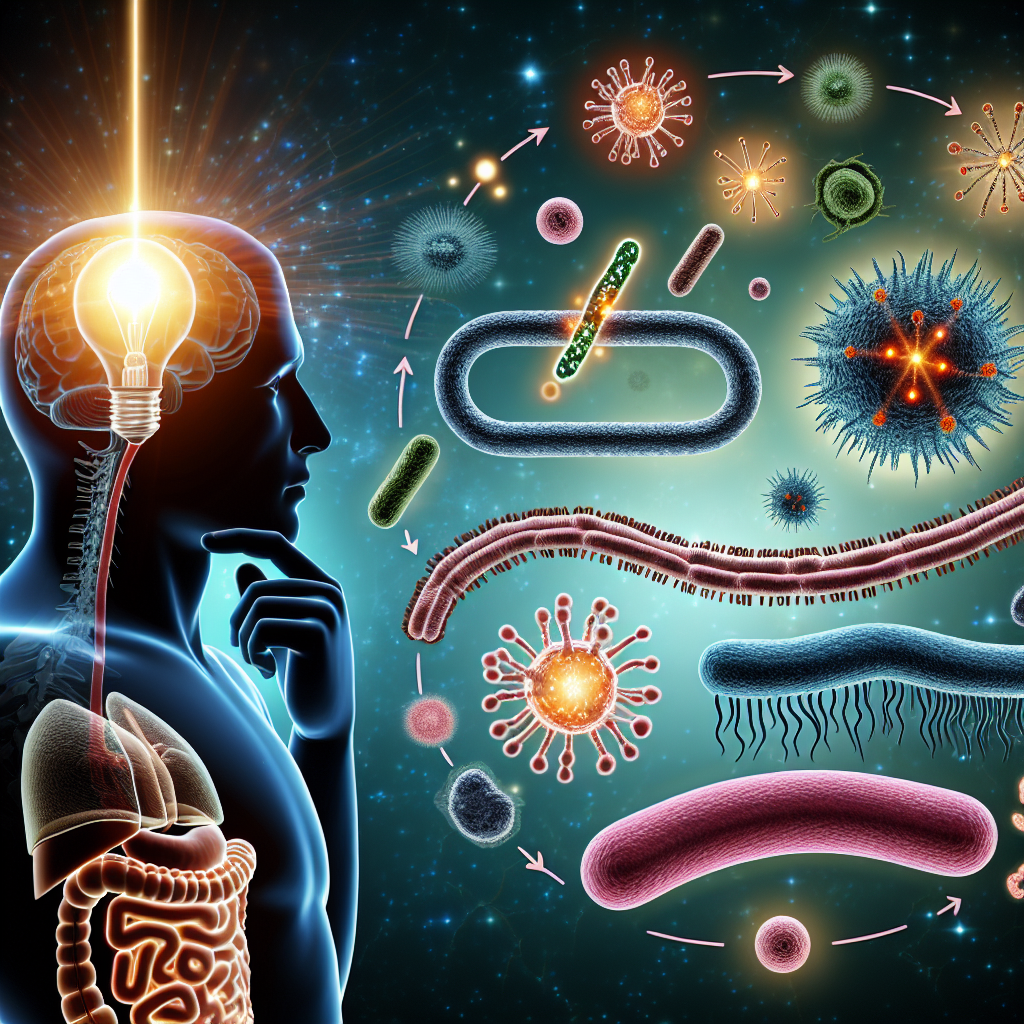
Scientists have discovered what they’re calling the “oral-gut axis”—essentially a pathway where bacteria from our mouths can travel to our digestive tract and potentially influence gut health. This research reveals that oral bacteria don’t just stay put; they can migrate to our intestines where they may either help reduce inflammation or make it worse, depending on the specific types of bacteria involved.
The findings suggest that the microbial communities living in our mouths could play a much larger role in our overall digestive wellness than previously understood. Researchers are even exploring whether future inflammatory bowel disease treatments might include oral health interventions, potentially using advanced therapies like targeted light treatments to modify the bacterial balance in our mouths.
This connection between oral hygiene and gut health opens up innovative possibilities for managing chronic digestive conditions, suggesting that caring for our mouths might directly benefit our intestinal health.
This post summarizes reporting from Medical Xpress. Our analysis represents IBD Movement’s perspective and is intended to help patients understand how this news may affect them. Read the original article for complete details.
What This Means for the IBD Community
This research hits close to home for anyone managing IBD because it challenges us to think beyond our traditional treatment approaches. For years, we’ve focused primarily on medications, dietary changes, and lifestyle modifications that target the gut directly. Now we’re learning that our oral health might be another piece of the puzzle—and potentially an easier one to influence.
Think about your daily routine. Most of us brush our teeth twice a day without giving it much thought. But what if those few minutes of oral care could actually be contributing to better IBD management? This isn’t about replacing your current treatment plan—it’s about potentially enhancing it with something you’re likely already doing.
The practical implications are particularly intriguing for those of us who struggle with medication side effects or are looking for complementary approaches to support our gut health. While we wait for more definitive research, paying extra attention to oral hygiene might be one of the lowest-risk interventions we can try.
From a daily life perspective, this research also helps explain some patterns that many IBD patients have noticed but couldn’t quite connect. Have you ever experienced a flare after dental work or during periods when you’ve been less diligent about oral care? While correlation doesn’t equal causation, this research provides a potential mechanism for these observations.
Questions to Consider Discussing with Your Healthcare Team
This emerging research raises several important questions that you might want to explore with your gastroenterologist and dentist:
- Should IBD patients have more frequent dental cleanings or specialized oral health protocols?
- Are there specific oral health products or practices that might be more beneficial for people with inflammatory bowel disease?
- How might periodontal disease or other oral health issues be affecting your IBD symptoms?
- Could coordinated care between your dental team and IBD specialists improve your overall outcomes?
These conversations are particularly important because many IBD medications can affect oral health, and some oral health conditions might influence IBD progression. Better communication between your healthcare providers could lead to more comprehensive care.
The Bigger Picture in IBD Research
This oral-gut axis research fits into a broader trend in IBD science that’s moving away from single-target treatments toward more holistic, systems-based approaches. We’re seeing similar connections explored between the gut and other body systems—the gut-brain axis, gut-skin connections, and now the oral-gut pathway.
What’s exciting about this particular connection is its accessibility. While we can’t easily modify our genetic predisposition to IBD or quickly change deep-seated stress patterns, most of us can relatively easily improve our oral hygiene routine. This research suggests that simple, everyday actions might have more profound effects on our IBD management than we previously realized.
The potential for targeted light therapies and other advanced oral interventions also points toward a future where IBD treatment might become more personalized and less invasive. Instead of always reaching for stronger medications with more side effects, we might have additional tools that work with our body’s natural systems.
A Personal Perspective on Hope and Practical Action
What strikes me most about this research is how it embodies something many of us in the IBD community crave: agency. So often, we feel at the mercy of our condition, waiting for the next flare, hoping our medications keep working, managing symptoms as they arise. But the idea that something as simple as thorough tooth brushing and regular dental care might contribute to better gut health? That’s empowering.
It also reinforces a principle that many successful IBD patients have discovered through experience: comprehensive self-care matters. Those who manage their condition best often aren’t just taking their medications—they’re paying attention to sleep, stress, exercise, nutrition, and yes, apparently, oral health too.
While we shouldn’t overstate what this early research means, we also shouldn’t underestimate the value of simple, consistent health practices that support our body’s interconnected systems.
The bottom line is that while we’re living with a complex, chronic condition, some of the tools for managing it might be simpler than we think. Whether or not the oral-gut connection proves to be a game-changer for IBD treatment, taking excellent care of our teeth and gums has no downside and might offer benefits we’re only beginning to understand.
This research reminds us that our bodies are incredibly interconnected systems, and sometimes the path to better gut health might start with something as basic as a really good toothbrush and a few extra minutes of care each morning and evening. In a world where IBD management can feel overwhelming, that’s a refreshingly manageable place to start.
IBD Movement provides information for educational purposes only. This content is not intended to be a substitute for professional medical advice, diagnosis, or treatment. Always seek the advice of your physician or other qualified health provider with any questions you may have regarding a medical condition.
Related Posts

New Research Links Certain Occupations to Higher IBD Risk: What This Means for Your Career and Health
February 28, 2026
Eli Lilly’s Omvoh Shows Promise for Crohn’s Disease: What This Breakthrough Could Mean for Your Treatment Journey
February 27, 2026
Could Your Cholesterol Medication Help Your IBD? New Research Reveals Surprising Connection
February 27, 2026