Ultra-Processed Foods and Crohn’s Disease: New Research Reveals Critical Dietary Connections
Summary of News-Medical
IBD Movement provides news analysis and insights for the IBD community. Always consult your healthcare provider for personal medical advice.
If you’re living with Crohn’s disease, you’ve likely wondered countless times whether your next meal might trigger a flare-up. The relationship between what we eat and how our bodies respond has never been more important to understand, especially as new research continues to unveil the complex connections between ultra-processed foods and inflammatory bowel disease. Recent findings are shedding light on how our modern food environment may be contributing to Crohn’s disease risk and, more importantly, what we can do about it.
What the Latest Research Reveals
According to News-Medical, emerging research is providing clearer insights into how ultra-processed foods influence Crohn’s disease development and progression. The investigation examines the mechanisms by which highly processed foods may disrupt gut health and contribute to the inflammatory processes characteristic of Crohn’s disease.
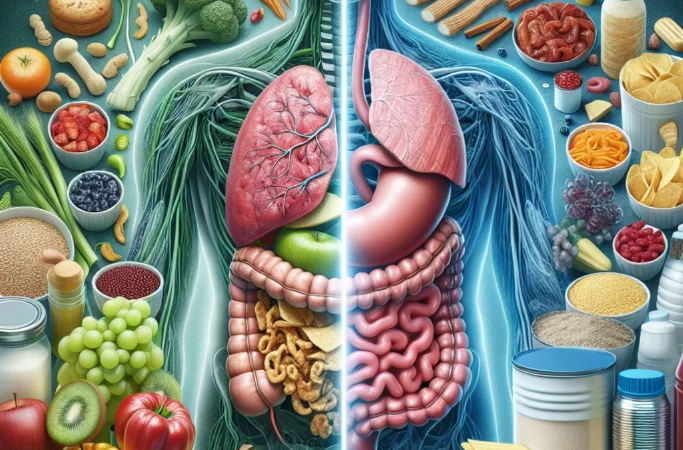
The research highlights that ultra-processed foods—those containing ingredients rarely used in home cooking, such as artificial preservatives, emulsifiers, and flavor enhancers—may alter the gut microbiome in ways that promote inflammation. These foods typically include packaged snacks, processed meats, sugary beverages, and ready-to-eat meals that have become staples in many modern diets.
As reported by News-Medical, the study suggests that the processing methods themselves, not just the nutritional content, may play a crucial role in triggering inflammatory responses. The research also explores potential dietary strategies that could help mitigate these risks, focusing on whole food approaches and specific nutritional interventions that support gut health and reduce inflammation.
Understanding the Implications for Your Daily Life
For those of us living with Crohn’s disease, this research represents more than just academic interest—it’s potentially life-changing information that could influence how we approach our daily food choices. The connection between ultra-processed foods and Crohn’s disease risk isn’t just about avoiding certain products; it’s about understanding how our modern food environment may be working against our digestive health.
What makes this particularly significant is that many people with Crohn’s disease often turn to processed foods during flare-ups because they seem easier to digest or more convenient when energy levels are low. However, this research suggests we might need to reconsider this approach. The very foods we might reach for during difficult times could potentially be contributing to the inflammatory cycle we’re trying to break.
The gut microbiome connection is especially important to understand. Our intestinal bacteria play a crucial role in maintaining immune balance and protecting the gut lining. Ultra-processed foods often contain additives that can disrupt this delicate ecosystem, potentially leading to increased intestinal permeability—commonly known as “leaky gut”—which has been linked to Crohn’s disease development and progression.
This research also raises important questions about food accessibility and social determinants of health. Ultra-processed foods are often more affordable and accessible than whole foods, creating a challenging situation for many people with IBD who may be dealing with financial constraints alongside their health challenges. Understanding this connection means we need to think creatively about practical solutions that work within real-world constraints.
The timing of this research is particularly relevant as we’re seeing increasing rates of IBD globally, with many experts pointing to environmental factors, including diet, as potential contributors to this trend. For younger people with Crohn’s disease who have grown up with ultra-processed foods as dietary staples, this information could be especially impactful in shaping long-term health outcomes.
From a practical standpoint, this research suggests that dietary modifications might be more powerful than previously understood. While we’ve long known that certain foods can trigger symptoms in individual patients, this research points to broader mechanisms that could affect disease progression itself. This means that dietary changes might not just help manage symptoms—they could potentially influence the underlying disease process.
The psychological impact of this information shouldn’t be overlooked either. Many people with Crohn’s disease already feel overwhelmed by dietary restrictions and the constant vigilance required to manage their condition. Learning about additional dietary factors can feel burdensome, but it can also be empowering to understand that we have more control over our health outcomes than we might have realized.
What Healthcare Experts Are Saying
Gastroenterologists and nutritionists specializing in IBD are increasingly recognizing the importance of addressing ultra-processed food consumption as part of comprehensive Crohn’s disease management. Many experts emphasize that while medications remain crucial for controlling inflammation, dietary interventions should be considered as complementary strategies rather than alternative treatments.
Healthcare providers are encouraging patients to discuss their current eating patterns openly, without judgment, to identify areas where gradual improvements can be made. The focus is shifting toward sustainable dietary changes that patients can maintain long-term, rather than restrictive diets that might be difficult to follow. This approach recognizes that perfect adherence to dietary recommendations isn’t always possible or necessary for meaningful health improvements.
Actionable Steps You Can Take Today
- Start reading ingredient labels and gradually reduce foods with long lists of unfamiliar additives and preservatives
- Focus on whole food swaps where possible—replace processed snacks with fruits, nuts, or homemade alternatives when your symptoms allow
- Work with a registered dietitian familiar with IBD to develop a personalized approach that considers both disease management and ultra-processed food reduction
- Keep a detailed food and symptom diary to identify which processed foods might be particularly problematic for your individual case
- Discuss these findings with your gastroenterologist to understand how dietary changes might complement your current treatment plan
Moving Forward with Hope and Practical Wisdom
This research offers both validation and hope for those of us who have long suspected that modern food processing might be contributing to our digestive challenges. While it adds another layer of complexity to managing Crohn’s disease, it also provides concrete direction for potentially improving our health outcomes through informed food choices.
Remember that dietary changes for Crohn’s disease should always be individualized and made in consultation with your healthcare team. What works for one person may not work for another, and the goal is finding sustainable approaches that support both your physical health and quality of life. Share your experiences and questions with our community—together, we can navigate these new insights and support each other in making informed decisions about our health.
Source: This post summarizes reporting from News-Medical. Read the original article.
Related Posts

New Research Links Certain Occupations to Higher IBD Risk: What This Means for Your Career and Health
February 28, 2026
Eli Lilly’s Omvoh Shows Promise for Crohn’s Disease: What This Breakthrough Could Mean for Your Treatment Journey
February 27, 2026
Could Your Cholesterol Medication Help Your IBD? New Research Reveals Surprising Connection
February 27, 2026