Curcumin for IBD: Could This Golden Spice Transform Your Gut?
If you’re living with Crohn’s or ulcerative colitis, you know that feeling all too well—when your gut sends signals that something isn’t quite right. Maybe it’s the familiar ache that starts in your abdomen, the unpredictable urgency, or simply the exhausting cycle of inflammation that seems to have its own schedule. In those moments, many of us find ourselves searching for anything that might offer relief, especially something natural that won’t add to our already complex medication regimens.
What if I told you that one of nature’s most vibrant compounds has been quietly earning recognition for its gut-healing potential? Curcumin, the active ingredient that gives turmeric its golden color, isn’t just another trendy supplement—it’s showing real promise for people dealing with inflammatory bowel conditions.
Summary of mindbodygreen.com: The Many Health Benefits of Curcumin
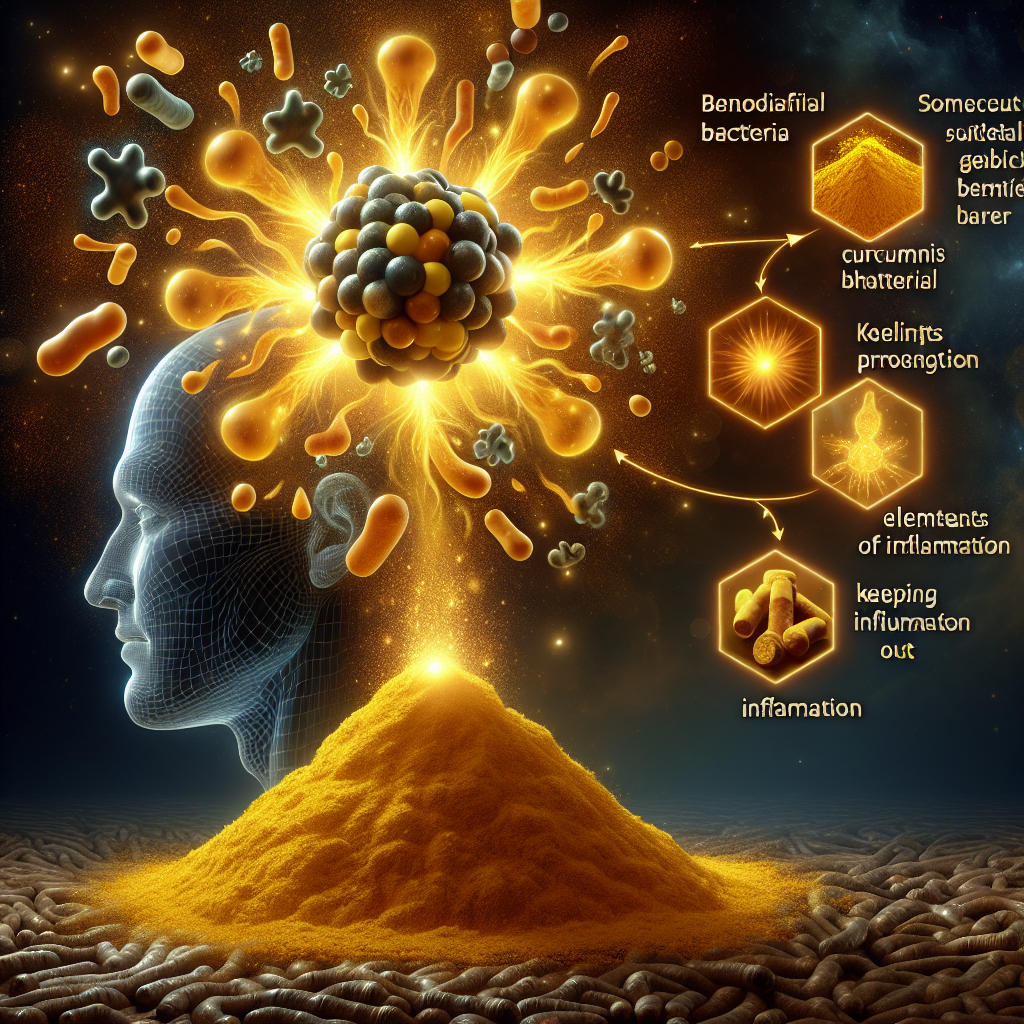
Recent research highlights curcumin’s impressive ability to support digestive health through multiple pathways. This natural compound works as both an anti-inflammatory agent and an antioxidant, while actively promoting the growth of beneficial gut bacteria. Studies show that curcumin helps create a more diverse and resilient gut microbiome, which is crucial for proper digestion and immune function.
The compound also strengthens the gut barrier—the protective lining that keeps harmful toxins out while allowing nutrients in. When this barrier becomes compromised (often called “leaky gut”), it can trigger widespread inflammation throughout the body. Curcumin helps maintain this critical defense system.
For people experiencing functional dyspepsia—symptoms like unexplained stomach pain, bloating, and feeling full after small meals—research suggests curcumin can provide relief comparable to conventional medications. The compound appears to improve digestive motility and reduce inflammation in the gastrointestinal tract.
This post summarizes reporting from mindbodygreen.com: The Many Health Benefits of Curcumin. Our analysis represents IBD Movement’s perspective and is intended to help patients understand how this news may affect them. Read the original article for complete details.
What This Means for the IBD Community
For those of us in the IBD world, this research on curcumin feels particularly significant. We’re constantly managing inflammation, and our gut microbiomes often bear the brunt of both our condition and the medications we take to treat it. The idea that a natural compound could potentially support multiple aspects of gut health—from reducing inflammation to promoting beneficial bacteria—offers hope for a complementary approach to our existing treatments.
Let’s break down why this matters specifically for IBD patients. First, the anti-inflammatory properties of curcumin could potentially help manage the chronic inflammation that characterizes both Crohn’s disease and ulcerative colitis. While it’s certainly not a replacement for proven IBD medications, it might serve as a supportive addition to our treatment toolkit.
The gut microbiome aspect is equally compelling. Many IBD patients struggle with dysbiosis—an imbalance between good and bad bacteria in the gut. This imbalance can worsen symptoms and may even contribute to flares. Curcumin’s ability to promote beneficial bacteria growth could help restore some of that crucial microbial balance we’re always trying to achieve.
The gut barrier function is another area where IBD patients often struggle. When our intestinal lining is compromised—whether from active inflammation, medications, or the disease process itself—we become more susceptible to bacterial translocation and systemic inflammation. Curcumin’s protective effects on this barrier could be particularly valuable for maintaining remission and preventing complications.
However, we need to be realistic about curcumin’s limitations too. While the research is promising, most studies have been relatively small or conducted in laboratory settings. We’re still learning about optimal dosing, timing, and which patients might benefit most. For IBD patients specifically, there isn’t yet enough data to recommend curcumin as a standalone treatment.
There are also practical considerations. Curcumin is notoriously difficult for the body to absorb, which is why many supplements combine it with piperine (from black pepper) to enhance bioavailability. Some IBD patients might find that black pepper irritates their digestive system, especially during flares. Others might need to avoid curcumin altogether if they’re taking blood thinners, as curcumin can increase bleeding risk.
For patients considering curcumin supplementation, timing could be crucial. Adding new supplements during an active flare might not be the best approach, as your gut is already inflamed and sensitive. Many gastroenterologists prefer patients to achieve stable remission before introducing complementary treatments.
The questions you might want to discuss with your IBD team include: Could curcumin interact with any of your current medications? What form and dosage might be appropriate for your specific situation? How would you monitor for both benefits and potential side effects? And perhaps most importantly—what are your treatment goals, and how might curcumin fit into your broader IBD management strategy?
This research also connects to a broader trend we’re seeing in IBD treatment: the growing recognition that supporting overall gut health through diet, lifestyle, and complementary approaches may enhance the effectiveness of traditional medical treatments. We’re moving beyond the idea that IBD treatment is purely about suppressing inflammation to understanding that promoting gut healing and microbial balance might be equally important.
It’s encouraging to see natural compounds like curcumin being studied seriously for their potential role in digestive health. For a community that often feels like we’re fighting our own bodies, having additional tools—even natural ones—in our arsenal can provide both physical and emotional relief.
That said, the golden rule for any IBD patient considering supplements remains the same: never make changes to your treatment regimen without involving your healthcare team. Your gastroenterologist knows your specific disease pattern, medication history, and current health status better than anyone else.
While we wait for more IBD-specific research on curcumin, those interested in exploring its potential might consider starting with dietary sources. Adding turmeric to cooking, trying golden milk recipes, or incorporating it into smoothies could be a gentle way to test tolerance while potentially gaining some benefits. Many patients find that food-based approaches feel less risky than concentrated supplements, and they’re often easier to digest during sensitive periods.
The Bottom Line
Curcumin represents an exciting area of gut health research that could eventually benefit the IBD community. While we can’t yet call it a game-changer for Crohn’s or ulcerative colitis, the emerging evidence for its anti-inflammatory, microbiome-supporting, and gut-protective properties deserves attention. As always with complementary approaches, the key is working with your healthcare team to determine if and how curcumin might fit into your individual treatment plan.
For now, we can feel hopeful that researchers are exploring every avenue to support our gut health—from cutting-edge biologics to ancient spices that have been healing people for thousands of years. Sometimes the most powerful solutions come from unexpected places, and curcumin might just be one of those pleasant surprises.
IBD Movement provides information for educational purposes only. This content is not intended to be a substitute for professional medical advice, diagnosis, or treatment. Always seek the advice of your physician or other qualified health provider with any questions you may have regarding a medical condition.
Related Posts

New Research Links Certain Occupations to Higher IBD Risk: What This Means for Your Career and Health
February 28, 2026
Eli Lilly’s Omvoh Shows Promise for Crohn’s Disease: What This Breakthrough Could Mean for Your Treatment Journey
February 27, 2026
Could Your Cholesterol Medication Help Your IBD? New Research Reveals Surprising Connection
February 27, 2026