IBD Emerges from Nigeria’s Medical Shadows: A Wake-Up Call
If you’ve ever felt like your IBD symptoms were dismissed or misunderstood, imagine living in a place where the medical community is just beginning to recognize that inflammatory bowel disease exists at all. For too many years, IBD in Nigeria remained largely invisible—not because people weren’t suffering, but because the tools to diagnose and understand it simply weren’t available or prioritized.
What’s happening in Nigeria right now offers a powerful reminder of how fortunate many of us are to have access to specialized care, while also highlighting the universal challenges that come with living with a condition that’s often misunderstood, even by healthcare providers.
Summary of this article
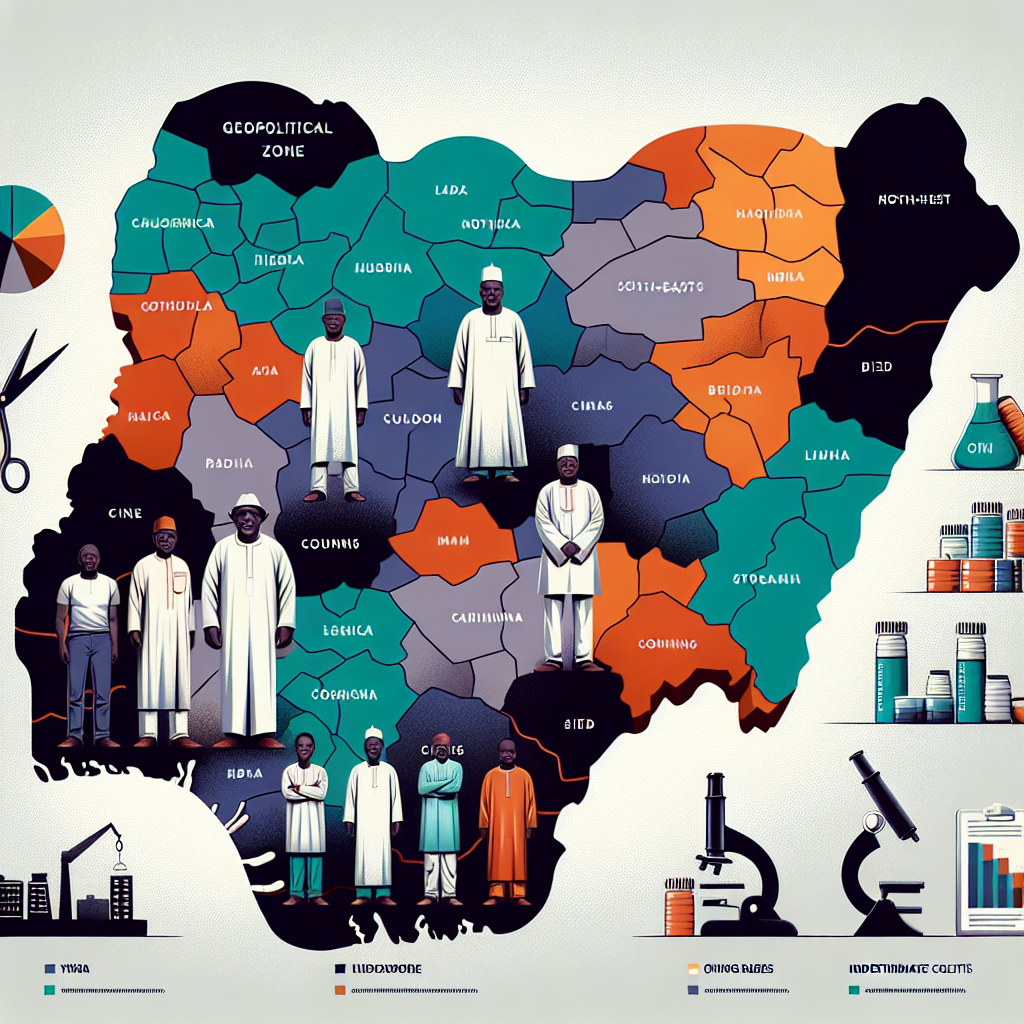
Recent research has revealed that IBD is far more common in Nigeria than previously recognized. The study found that nearly 5% of colonoscopies performed revealed IBD, with patients ranging from as young as four years old to 93 years old. More than half of these patients showed extensive colon inflammation, indicating severe disease patterns.
The research uncovered significant regional differences within Nigeria, with some areas showing dramatically higher rates than others. Most concerning is that the majority of patients have access only to basic medications, with advanced treatments largely unavailable, particularly in rural communities. This creates a stark healthcare divide that affects treatment outcomes and quality of life.
This post summarizes reporting from this article. Our analysis represents IBD Movement’s perspective and is intended to help patients understand how this news may affect them. Read the original article for complete details.
What This Means for the IBD Community
This Nigerian research serves as both a mirror and a window for the global IBD community. As a mirror, it reflects challenges many of us have faced—delayed diagnoses, limited treatment options, and the frustration of dealing with a condition that’s poorly understood. As a window, it shows us how geography and resources can dramatically impact IBD outcomes.
The Universal Struggle for Recognition
The fact that IBD was essentially “hidden” in Nigeria for so long resonates with many patients’ experiences worldwide. How many of us spent months or years being told our symptoms were “just stress” or “probably IBS”? The difference is that in resource-rich countries, we eventually found gastroenterologists who could properly diagnose us. In Nigeria, that infrastructure is still being built.
This reminds us to never take our access to specialized care for granted. If you have a gastroenterologist who understands your condition, if you can get regular colonoscopies, if you have access to biologics—you’re part of a privileged minority globally.
Treatment Disparities Hit Close to Home
The revelation that most Nigerian IBD patients only have access to basic medications should give us pause. Many of us in developed countries have fought insurance battles for biologics, dealt with prior authorizations, or struggled with medication costs. But imagine if those advanced treatments simply didn’t exist in your entire country.
This reality check might help us appreciate our treatment options while also recognizing that our complaints about healthcare access are valid—even when others have it worse, our struggles matter too.
Questions Worth Discussing with Your Doctor
This research raises important questions you might want to explore with your healthcare team:
- How would my treatment plan change if I only had access to basic medications?
- What lifestyle modifications become more critical when advanced treatments aren’t available?
- How can I better advocate for continued access to my current treatments?
- What role does early, aggressive treatment play in preventing the extensive inflammation seen in undertreated populations?
The Broader Pattern: IBD as a Global Health Challenge
Nigeria’s experience fits into a concerning global trend. IBD rates are rising worldwide, but healthcare infrastructure isn’t keeping pace everywhere. This creates a two-tiered global reality: some patients have access to cutting-edge treatments and personalized care plans, while others face the same disease with minimal medical support.
This disparity also highlights why IBD research and advocacy matter so much. Every breakthrough in understanding IBD, every new treatment option, and every advance in care protocols has the potential to eventually benefit patients worldwide—but only if we work to make these advances accessible.
Learning from Severe Cases
The high rates of extensive colitis found in Nigeria offer sobering insights into what untreated or undertreated IBD can look like. For those of us managing our condition with modern medicine, this serves as motivation to stay compliant with treatments and monitoring.
It also underscores why early intervention matters so much. The extensive inflammation seen in many Nigerian patients likely represents years of unchecked disease progression—a reminder that our sometimes-frustrating monitoring routines and medication schedules serve a crucial protective purpose.
Building Empathy and Perspective
Reading about IBD patients in Nigeria can help us process our own healthcare frustrations with greater perspective. Yes, dealing with insurance companies is exhausting. Yes, waiting for specialist appointments is stressful. Yes, medication side effects are challenging. But we’re navigating these problems within a system that acknowledges our condition exists and offers multiple treatment pathways.
This doesn’t minimize our struggles—it contextualizes them. We can simultaneously feel grateful for our access to care while continuing to advocate for better, more accessible treatment options for everyone.
The Call for Global IBD Awareness
Perhaps most importantly, Nigeria’s emerging IBD picture reminds us that this condition doesn’t respect borders, wealth, or healthcare systems. IBD is truly a global disease that requires global attention, resources, and solutions.
As patients in resource-rich areas, we can use our voices and platforms to advocate not just for better local care, but for improved IBD awareness and treatment access worldwide. When we share our stories, participate in research, or support IBD organizations, we’re contributing to a knowledge base that could eventually help patients everywhere.
The fact that Nigerian physicians are now identifying and studying IBD patterns represents hope—it means the medical community there is beginning to understand and address this challenge. Our global IBD community’s research, advocacy, and shared experiences contribute to that growing understanding.
Nigeria’s IBD emergence story is ultimately one of medical progress and growing awareness. It reminds us that behind every statistic are real people managing real symptoms, seeking real solutions. Whether we’re dealing with IBD in Lagos or Los Angeles, we share common challenges: the need for understanding healthcare providers, access to effective treatments, and supportive communities that recognize the daily reality of living with chronic illness.
This research doesn’t just inform us about IBD in Nigeria—it illuminates the broader human experience of navigating chronic illness in an imperfect world. It’s a reminder that while we may face this condition in different circumstances, we’re all part of a global community working toward better outcomes, greater understanding, and more accessible care for everyone touched by IBD.
IBD Movement provides information for educational purposes only. This content is not intended to be a substitute for professional medical advice, diagnosis, or treatment. Always seek the advice of your physician or other qualified health provider with any questions you may have regarding a medical condition.
Related Posts

New Research Links Certain Occupations to Higher IBD Risk: What This Means for Your Career and Health
February 28, 2026
Eli Lilly’s Omvoh Shows Promise for Crohn’s Disease: What This Breakthrough Could Mean for Your Treatment Journey
February 27, 2026
Could Your Cholesterol Medication Help Your IBD? New Research Reveals Surprising Connection
February 27, 2026