Lincoln’s Take Steps Walk: A Community Coming Together for IBD Hope
There’s something deeply moving about watching people from all walks of life come together for a cause that touches so many families. Whether you’ve lived with Crohn’s disease or ulcerative colitis yourself, or you’re supporting someone who has, you understand that behind every smile at an IBD fundraising event is often a story of resilience, adaptation, and quiet strength.
When communities like Lincoln, Nebraska organize Take Steps walks, they’re not just raising money—they’re creating visible proof that people with IBD don’t have to face their journey alone. These events remind us that our challenges, while deeply personal, are also shared by millions of others who truly understand what it’s like to plan your day around bathroom locations or cancel plans because of a flare.
Summary of Read the original article
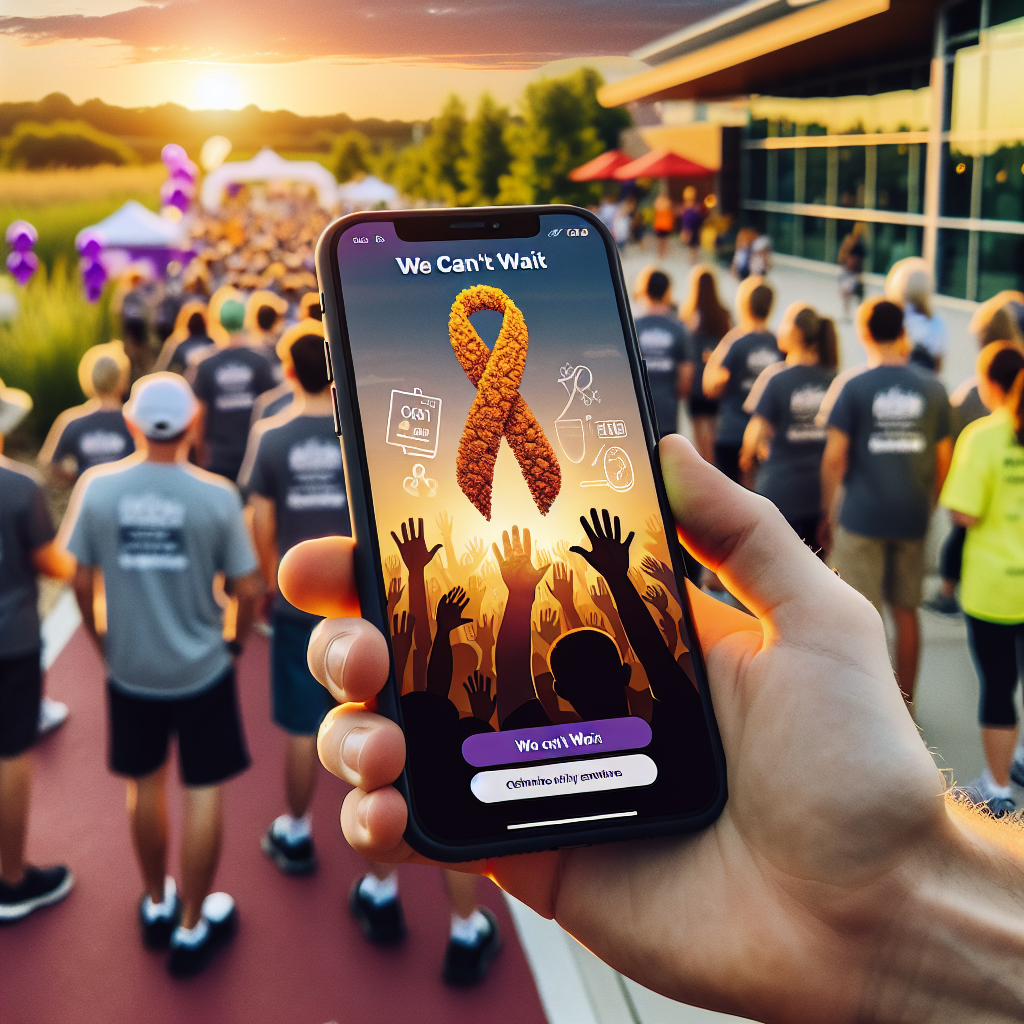
The recent Take Steps walk in Lincoln brought together community members at the Lincoln Children’s Zoo to support the Crohn’s & Colitis Foundation’s mission. As the Foundation’s largest fundraising event, Take Steps walks have collectively raised over $500 million for IBD research nationwide. The funds support not only research efforts but also practical resources like the “We Can’t Wait” app that helps people find accessible restrooms, educational programs, and support networks that have created over 3 million connections for people affected by IBD.
The Lincoln event represents part of a larger movement where local communities rally around families dealing with inflammatory bowel diseases, providing both financial support for research and emotional support through community connection. These walks emphasize that IBD affects millions globally, making community support and research funding more crucial than ever.
This post summarizes reporting from Read the original article. Our analysis represents IBD Movement’s perspective and is intended to help patients understand how this news may affect them. Read the original article for complete details.
What This Means for the IBD Community
When we see events like Lincoln’s Take Steps walk, it’s easy to focus on the fundraising numbers—and those numbers are genuinely impressive. But for those of us living with IBD, the deeper significance lies in what these events represent: validation, community, and hope for tangible improvements in our daily lives.
The $500 million figure mentioned in the coverage isn’t just a number—it represents countless research studies that have led to the biologics many of us rely on today, the development of new diagnostic tools that can catch complications earlier, and the funding for clinical trials that might hold tomorrow’s breakthrough treatments. For someone newly diagnosed, knowing that this level of investment exists in IBD research can provide genuine comfort during those early, overwhelming months.
But perhaps more immediately meaningful is how these funds support practical resources that address the daily realities of IBD life. The “We Can’t Wait” app mentioned in the coverage is a perfect example. If you’ve ever experienced the panic of needing a bathroom urgently while out in public, you understand how something as simple as a bathroom locator app can dramatically improve your confidence and freedom. These aren’t glamorous innovations, but they’re the ones that can transform an ordinary Tuesday from stressful to manageable.
The mention of “gut-friendly recipes” as part of the Foundation’s resources speaks to another crucial aspect of IBD management that doesn’t always get enough attention. While there’s no universal IBD diet, many of us have found that certain foods can trigger symptoms while others seem to help us feel more stable. Having access to recipes developed with IBD considerations in mind can be incredibly valuable, especially for newly diagnosed individuals who are still learning what works for their bodies.
Community events like Lincoln’s walk also serve an important psychological function. IBD can be incredibly isolating, particularly during flares when we might cancel plans repeatedly or feel embarrassed about our symptoms. Seeing hundreds of people come together specifically to support IBD research and awareness helps combat that isolation. It’s a visible reminder that our condition is real, significant, and deserving of attention and resources.
For caregivers and family members, these events can be equally meaningful. Partners, parents, and children of people with IBD often feel helpless when watching their loved ones struggle with symptoms. Participating in a Take Steps walk gives them a concrete way to contribute to the fight against IBD, channeling their concern into positive action.
The educational component of these events shouldn’t be overlooked either. Many attendees learn about IBD for the first time at these walks, either because they’re supporting a friend or family member, or because they’re curious about the cause. This broader awareness can lead to earlier recognition of IBD symptoms, reduced stigma, and increased understanding in workplaces and schools about what people with IBD need to thrive.
From a research perspective, the community support demonstrated at events like Lincoln’s walk helps attract additional funding from other sources. When pharmaceutical companies, government agencies, and private foundations see strong grassroots support for IBD research, they’re more likely to invest their own resources in the field. This multiplier effect means that every dollar raised at a local walk potentially leverages additional research funding.
For those considering participating in future Take Steps events, it’s worth knowing that you don’t need to be a marathon walker to make a difference. Many participants walk shorter distances, volunteer at registration tables, or simply attend to show support. The event is designed to be inclusive of people at all activity levels, recognizing that IBD symptoms can vary dramatically from day to day.
If you’re recently diagnosed and feeling overwhelmed, events like these can also be an excellent way to connect with others who share your experience. Many local Crohn’s & Colitis Foundation chapters organize year-round support groups and educational sessions, with Take Steps serving as an introduction to these ongoing resources.
Looking ahead, the success of events like Lincoln’s walk helps ensure that IBD research continues to advance at an accelerated pace. We’re living in an exciting time for IBD treatment, with new medications entering clinical trials regularly and personalized medicine approaches becoming more sophisticated. The funds raised at community walks directly support this progress, bringing us closer to better treatments and, ultimately, cures for both Crohn’s disease and ulcerative colitis.
The ripple effects of community support extend beyond research funding. When local media covers events like the Lincoln walk, it raises awareness about IBD in the broader community. This increased visibility can lead to better accommodations in schools and workplaces, more understanding from friends and family members who might not have understood the seriousness of IBD, and reduced stigma around discussing digestive health issues.
For those who missed this year’s Lincoln event, most communities host Take Steps walks annually, typically in the spring or fall. The Crohn’s & Colitis Foundation website maintains a calendar of upcoming events, and many chapters also organize other fundraising activities throughout the year, from restaurant nights to cycling events, ensuring there are multiple ways for community members to get involved.
The success of events like Lincoln’s Take Steps walk also demonstrates something powerful about the IBD community: we show up for each other. Despite dealing with a chronic condition that can be unpredictable and challenging, people with IBD and their supporters consistently come together to support research and raise awareness. This collective resilience and determination gives hope not just for better treatments, but for a future where no one has to face IBD alone.
In a healthcare landscape where rare diseases often struggle for attention and funding, the strong community support demonstrated at Take Steps events helps ensure that IBD remains a research priority. The visible, organized advocacy of the IBD community sends a clear message to researchers, clinicians, and policymakers that this condition affects real people who deserve effective treatments and ultimately, cures.
Whether you participate by walking, volunteering, donating, or simply spreading awareness, you’re contributing to a movement that has already transformed IBD care and continues to push toward even better outcomes. Every step truly does count, and events like Lincoln’s walk prove that when communities come together around a shared cause, meaningful change becomes possible.
The path forward in IBD research and care isn’t always straight or predictable, much like living with IBD itself. But events like Lincoln’s Take Steps walk remind us that we’re not walking that path alone. With continued community support, research funding, and advocacy, we’re moving toward a future where IBD becomes increasingly manageable, and where everyone affected by these conditions has access to the resources, treatments, and support they need to live full, active lives.
In Lincoln and communities across the country, people are taking steps—literally and figuratively—toward that brighter future. The question isn’t whether progress will continue, but how quickly we can get there. And with communities like Lincoln leading the way, that future feels closer than ever.
IBD Movement provides information for educational purposes only. This content is not intended to be a substitute for professional medical advice, diagnosis, or treatment. Always seek the advice of your physician or other qualified health provider with any questions you may have regarding a medical condition.
Related Posts

New Research Links Certain Occupations to Higher IBD Risk: What This Means for Your Career and Health
February 28, 2026
Eli Lilly’s Omvoh Shows Promise for Crohn’s Disease: What This Breakthrough Could Mean for Your Treatment Journey
February 27, 2026
Could Your Cholesterol Medication Help Your IBD? New Research Reveals Surprising Connection
February 27, 2026