Your Immune System Can Change Its Mind – Hope for IBD Patients
Living with IBD means living with an immune system that seems to have a mind of its own. One day you feel like your body is working with you, and the next, it feels like it’s waging war against you. For years, many of us have accepted that our immune cells are simply programmed to behave in certain ways—either helping or harming—with little room for change. But what if I told you that new research suggests our immune system is far more flexible than we ever imagined?
This discovery feels particularly meaningful for those of us in the IBD community, where the dream of having an immune system that could learn to dial down the inflammation without compromising our ability to fight real threats has always seemed just out of reach.
Summary of here
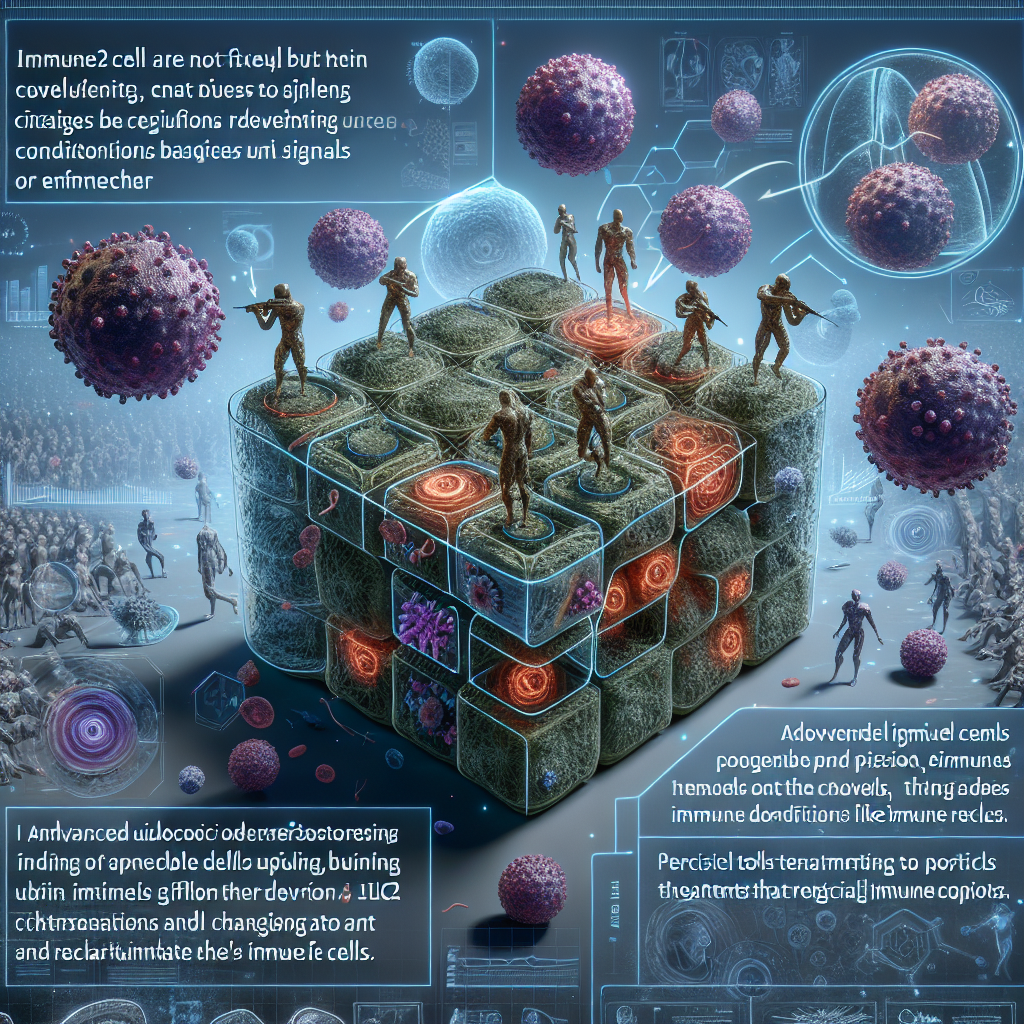
A groundbreaking study published in Nature Immunology has revealed something remarkable about innate lymphoid cells (ILCs), particularly those found in our lungs. These immune cells, which researchers once thought were locked into specific roles, can actually change their behavior based on what’s happening in their environment. Think of them as adaptable soldiers rather than rigid robots—they can switch between being inflammatory warriors when there’s a threat and becoming healing helpers when tissues need repair.
The researchers discovered that these cells essentially “listen” to chemical signals around them and adjust their function accordingly. This means they can ramp up inflammation when fighting infection, then shift gears to promote tissue healing once the danger has passed. This flexibility represents a fundamental shift in how we understand immune cell behavior and opens up entirely new possibilities for treating immune-related conditions.
This post summarizes reporting from here. Our analysis represents IBD Movement’s perspective and is intended to help patients understand how this news may affect them. Read the original article for complete details.
What This Means for the IBD Community
This research could be a game-changer for how we think about IBD treatment. For those of us living with Crohn’s disease or ulcerative colitis, our biggest frustration often lies with current treatments that feel like using a sledgehammer when we need a scalpel. Immunosuppressive drugs can be incredibly effective at reducing inflammation, but they also leave us vulnerable to infections and other complications because they suppress our entire immune system.
The discovery of immune cell plasticity offers a tantalizing glimpse of a different future. Instead of broadly dampening our immune response, future therapies might be able to specifically guide these flexible immune cells toward healing behaviors while preserving their ability to fight genuine threats. Imagine treatments that could teach your immune cells to recognize that your intestinal tissue isn’t the enemy—that would be revolutionary for IBD patients.
This research also helps explain something many of us have wondered about: why do some people with IBD experience more severe symptoms than others, even with similar diagnoses? The flexibility of these immune cells might vary from person to person, potentially explaining the wide spectrum of IBD experiences we see in our community. Some people’s immune cells might be more “stuck” in inflammatory modes, while others might retain more ability to switch to healing states.
For caregivers and family members, this research offers hope that the unpredictable nature of IBD—those flare-ups that seem to come out of nowhere—might eventually become more manageable. If we can understand and influence how immune cells make decisions about inflammation versus healing, we might be able to prevent flares before they start or help recovery happen more quickly.
There are also important questions this research raises for conversations with your healthcare team. You might want to discuss whether your current treatment approach takes advantage of your immune system’s natural healing capabilities, or if there are ways to support your body’s own repair mechanisms alongside traditional therapies. While treatments based on this research are still years away, understanding these concepts can help you become a more informed advocate for your own care.
The implications extend beyond just medication, too. This research reinforces the importance of holistic approaches to IBD management. If our immune cells are constantly reading environmental signals to decide how to behave, factors like stress, sleep, diet, and overall wellness might play even more crucial roles than we previously understood. The connection between lifestyle factors and immune function isn’t just about general health—it might literally influence how our immune cells choose to respond moment by moment.
Looking at the broader landscape of IBD research, this discovery aligns with several exciting trends we’re seeing. Precision medicine approaches that tailor treatments to individual patients, the growing understanding of the gut microbiome’s role in immune function, and the development of targeted biologics all point toward a future where IBD treatment becomes increasingly personalized and sophisticated.
What’s particularly encouraging is that this type of research often accelerates quickly once the fundamental principles are established. We’ve seen this pattern before with other breakthrough discoveries in immunology—the initial finding opens doors that researchers didn’t even know existed, leading to rapid advances in understanding and eventual clinical applications.
For those of us who have felt frustrated by the limitations of current IBD treatments, this research represents more than just scientific progress—it represents hope. Hope that our immune systems aren’t permanently broken, but rather that they might simply need better guidance. Hope that future treatments will work with our bodies’ natural healing capabilities rather than against them.
The research also validates something many IBD patients have long suspected: our bodies are incredibly complex, adaptive systems. The fact that immune cells can change their minds gives scientific backing to the importance of comprehensive care approaches that address not just inflammation, but the whole person and their environment.
This discovery reminds us that every day, researchers are uncovering new aspects of how our bodies work that could lead to better treatments. While we wait for these advances to reach clinical practice, this research offers something valuable right now: a deeper understanding of why our bodies behave the way they do, and renewed reason to believe that better treatments are coming.
The journey from laboratory discovery to patient treatment is never quick or straightforward, but breakthroughs like this one represent crucial stepping stones toward a future where IBD becomes a much more manageable condition. Each new understanding of how our immune systems work brings us closer to treatments that can restore the balance we’ve been seeking.
IBD Movement provides information for educational purposes only. This content is not intended to be a substitute for professional medical advice, diagnosis, or treatment. Always seek the advice of your physician or other qualified health provider with any questions you may have regarding a medical condition.
Related Posts

New Research Links Certain Occupations to Higher IBD Risk: What This Means for Your Career and Health
February 28, 2026
Eli Lilly’s Omvoh Shows Promise for Crohn’s Disease: What This Breakthrough Could Mean for Your Treatment Journey
February 27, 2026
Could Your Cholesterol Medication Help Your IBD? New Research Reveals Surprising Connection
February 27, 2026