The Hidden Power of Food: Transforming Your IBD Journey One Bite at a Time
There’s something profoundly vulnerable about living with IBD—the way a simple meal can become a source of anxiety, the way you find yourself scanning restaurant menus not for what sounds delicious, but for what won’t send you rushing to the bathroom. If you’ve felt this weight, you’re not alone. The relationship between food and IBD isn’t just about nutrition; it’s about reclaiming control, finding hope, and discovering that sometimes the smallest changes can make the biggest difference.
What if I told you that emerging research suggests our food choices might hold more power than we’ve given them credit for? Not as a cure—let’s be clear about that—but as a meaningful part of managing life with Crohn’s disease or ulcerative colitis.
Summary of recent research
New research continues to illuminate the complex relationship between diet and inflammatory bowel disease. While scientists have long known that diet alone doesn’t cause IBD, mounting evidence suggests that what we eat may influence both our risk of developing the condition and how our symptoms behave over time.
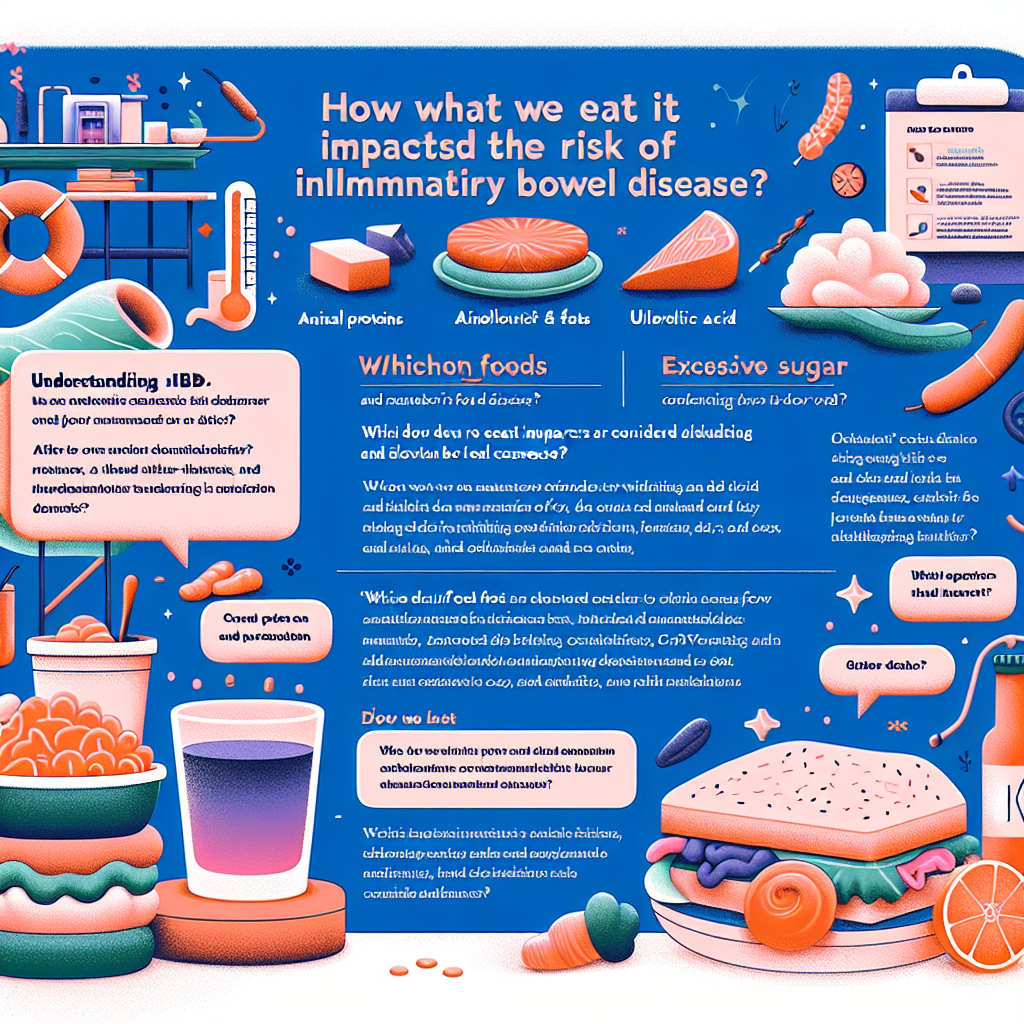
The research points to several key dietary patterns. Animal proteins and saturated fats—particularly those found in red meats and heavily processed foods—appear to promote inflammation and may increase the likelihood of flares. Conversely, diets rich in fresh fruits, vegetables, and fiber seem to offer protective benefits, potentially lowering risk and helping to calm inflammatory responses in the body.
Some specific findings deserve attention: linoleic acid, commonly found in processed foods and certain vegetable oils, may increase ulcerative colitis risk when consumed in excess. Similarly, high sugar intake can disrupt the delicate balance of gut bacteria, potentially worsening symptoms for those already living with IBD.
This post summarizes reporting from recent research. Our analysis represents IBD Movement’s perspective and is intended to help patients understand how this news may affect them. Read the original article for complete details.
What This Means for the IBD Community
This research offers something precious to those of us navigating life with IBD: agency. For too long, many patients have felt powerless against their symptoms, wondering if there was anything—anything at all—they could do to influence their condition beyond taking medication and hoping for the best.
The emerging evidence suggests that food can be a tool in your IBD management toolkit, though it’s important to frame this correctly. We’re not talking about dramatic overnight transformations or replacing your medical treatment with dietary changes alone. Instead, we’re looking at how thoughtful food choices might work alongside your existing treatment plan to help you feel more in control and potentially experience fewer flares.
For many in our community, this research validates what they’ve already suspected through their own experience. Perhaps you’ve noticed that certain foods seem to trigger symptoms while others leave you feeling more stable. This isn’t just in your head—there’s growing scientific support for these observations.
Consider the practical implications: if processed foods high in linoleic acid and added sugars may worsen inflammation, this gives you concrete targets for dietary modifications. It’s not about perfection or completely overhauling your diet overnight. It’s about making informed choices that align with what science is telling us about IBD and inflammation.
The protective effects of fruits, vegetables, and fiber deserve special attention. Many IBD patients have been told to avoid fiber during flares—and that advice still holds true during active inflammation. However, during periods of remission, gradually incorporating more plant-based foods might offer long-term benefits for managing your condition.
This research also highlights the importance of individualized approaches. What works for one person with Crohn’s disease might not work for another with ulcerative colitis, and even within the same condition, responses can vary dramatically. The key is working with your healthcare team to understand how these general findings might apply to your specific situation.
Some questions worth discussing with your doctor or registered dietitian include: How might dietary changes complement your current medication regimen? Which foods should you prioritize adding to your diet during stable periods? How can you safely experiment with dietary modifications without triggering a flare? Are there specific nutrients you should focus on given your individual IBD history and current symptoms?
This research also connects to broader trends we’re seeing in IBD care—the move toward more personalized, holistic approaches that consider not just medication, but lifestyle factors that might influence disease course. We’re seeing similar developments in areas like stress management, sleep quality, and exercise, all suggesting that IBD care is becoming more comprehensive and patient-centered.
Perhaps most importantly, this information offers hope without false promises. It acknowledges that IBD is a complex, chronic condition while also suggesting that patients aren’t completely at the mercy of their disease. You have more tools available than you might have realized.
The emotional impact of this research shouldn’t be underestimated either. Food relationships can become complicated when you have IBD—many patients develop fear around eating or feel guilty when they experience symptoms after meals. Understanding that strategic food choices might actually help manage your condition can transform your relationship with eating from one of fear to one of empowerment.
Making This Research Work for You
Translating research into daily life requires patience and self-compassion. Start small: perhaps swap one processed snack for a piece of fruit this week, or experiment with reducing red meat portions while adding more plant-based proteins. Pay attention to how these changes make you feel, both physically and emotionally.
Remember that everyone’s IBD journey is unique. What matters most is finding sustainable changes that work with your lifestyle, preferences, and individual response patterns. This isn’t about achieving dietary perfection—it’s about making informed choices that support your overall health and well-being.
The path forward isn’t about eliminating entire food groups or following rigid rules. It’s about understanding how different foods might affect your body and making gradual adjustments that feel manageable and sustainable. Every positive change, no matter how small, is a victory worth celebrating.
Knowledge truly can be healing, especially when it comes with actionable steps and realistic expectations. While we can’t control everything about living with IBD, emerging research suggests we might have more influence over our symptoms and disease course than previously thought—and that’s genuinely exciting news for our community.
IBD Movement provides information for educational purposes only. This content is not intended to be a substitute for professional medical advice, diagnosis, or treatment. Always seek the advice of your physician or other qualified health provider with any questions you may have regarding a medical condition.
Related Posts

New Research Links Certain Occupations to Higher IBD Risk: What This Means for Your Career and Health
February 28, 2026
Eli Lilly’s Omvoh Shows Promise for Crohn’s Disease: What This Breakthrough Could Mean for Your Treatment Journey
February 27, 2026
Could Your Cholesterol Medication Help Your IBD? New Research Reveals Surprising Connection
February 27, 2026