IBD and Brain Health: What New Dementia Research Means for You
Have you ever walked into a room and completely forgotten why you went there? Or found yourself struggling to find the right word in conversation, wondering if it’s just stress from managing your IBD symptoms? If you’re nodding along, you’re not alone. Many of us in the IBD community have noticed those foggy moments, but we often chalk them up to fatigue, medication side effects, or just the mental load of chronic illness.
What if I told you there might be more to these cognitive hiccups than we previously understood? Recent research is shedding light on a connection that’s both concerning and important for our community to understand—the relationship between inflammatory bowel disease and brain health, specifically dementia risk.
Summary of How IBD May Accelerate Progression of Dementia
New research reveals that inflammatory bowel disease may have implications beyond our digestive system, potentially affecting brain health and dementia progression. The study found that people living with both IBD and dementia experience faster cognitive decline compared to those with dementia alone. Even more significantly, having IBD appears to increase the risk of developing dementia in the first place, regardless of age or gender.
The research suggests that chronic inflammation—the hallmark of IBD—may create a cascade effect that impacts brain function and resilience. Unfortunately, cognitive symptoms in IBD patients are often overlooked in clinical settings, with healthcare providers and patients focusing primarily on managing obvious physical symptoms like abdominal pain, diarrhea, and fatigue.
However, the study also points to hope: personalized care approaches that include closer monitoring of cognitive function, better inflammation management, and attention to vascular health might help protect both gut comfort and mental sharpness in people with IBD.
This post summarizes reporting from How IBD May Accelerate Progression of Dementia. Our analysis represents IBD Movement’s perspective and is intended to help patients understand how this news may affect them. Read the original article for complete details.
What This Means for the IBD Community
Let me be honest—when I first read about this research, my initial reaction was a mix of validation and concern. Validation because it explains something many of us have experienced but couldn’t quite put our finger on. That “IBD brain fog” isn’t just in our heads (pun intended). But concern because, well, who wants to think about increased dementia risk when you’re already dealing with so much?
Here’s what I think is most important for our community to understand: this isn’t about fear-mongering or adding another worry to your plate. Instead, it’s about recognizing patterns, advocating for comprehensive care, and taking proactive steps to protect your overall health.
The Inflammation Connection Makes Sense
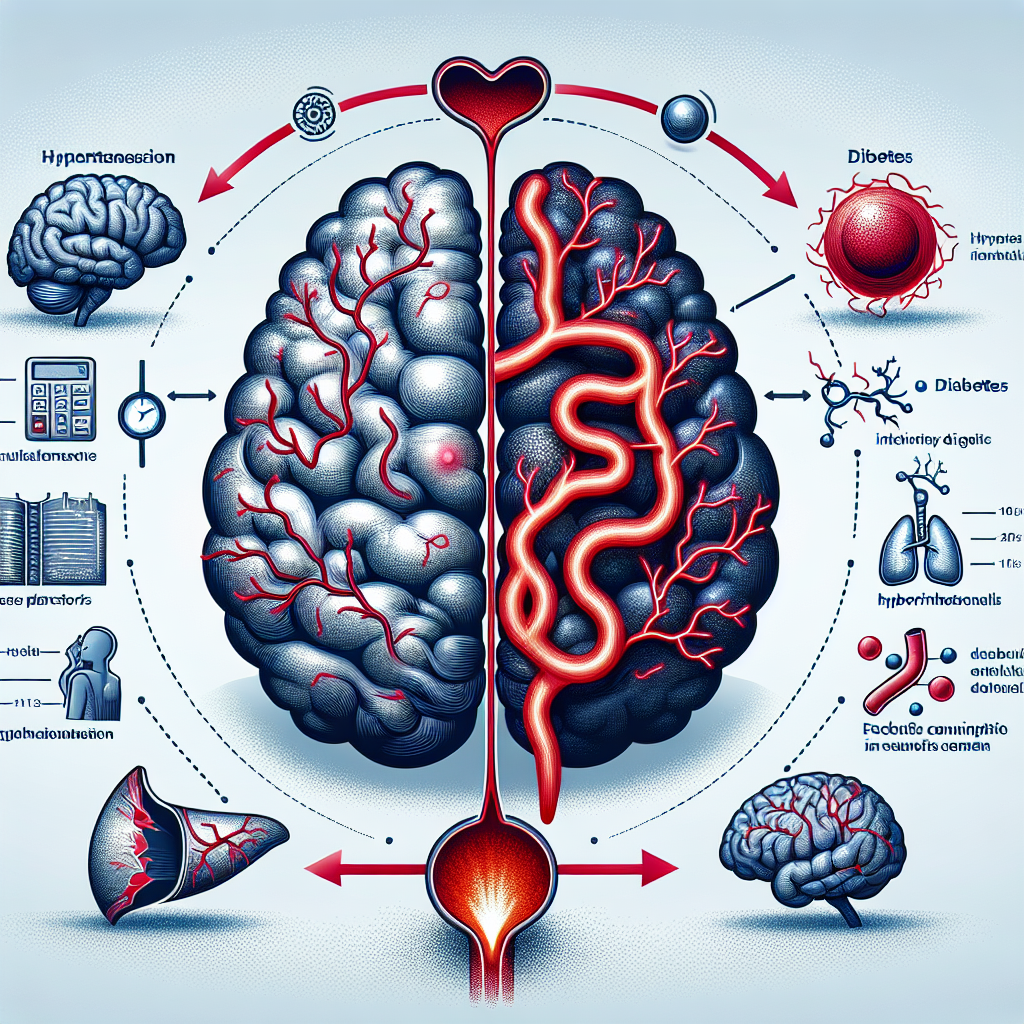
Think about it—we know that IBD is fundamentally an inflammatory condition. When your immune system is constantly activated, fighting battles in your gut, that inflammation doesn’t just stay put. It creates inflammatory markers that circulate throughout your body, including your brain. This systemic inflammation can damage blood vessels, affect the blood-brain barrier, and potentially contribute to the kind of brain changes we see in dementia.
This connection helps explain why some of us experience what researchers call “peripheral brain fog”—difficulty concentrating during flares, memory issues when inflammation is high, or feeling mentally sharper when our IBD is well-controlled.
Why Cognitive Symptoms Get Overlooked
In my conversations with IBD patients and healthcare providers, I’ve noticed a pattern: we’re so focused on getting the physical symptoms under control that cognitive changes often go unmentioned. When you’re dealing with urgent bowel movements, severe cramping, or the side effects of medications, remembering where you put your keys seems like a minor issue.
But here’s the thing—it’s not minor. Your brain health matters just as much as your gut health, and they’re more connected than we ever realized. If you’ve been experiencing memory issues, difficulty concentrating, or other cognitive changes, it’s worth bringing up with your healthcare team, even if it feels less urgent than your physical symptoms.
Practical Implications for Daily Life
So what does this mean for how you live with IBD day to day? First, it means paying attention to your cognitive health with the same diligence you apply to tracking your physical symptoms. Consider keeping a simple log of when you feel mentally sharp versus when you experience brain fog, and look for patterns with your IBD activity.
It also means being proactive about inflammation management. We already know that keeping IBD inflammation under control is crucial for preventing complications like strictures, fistulas, and cancer. Now we have another compelling reason to work closely with your gastroenterologist to find the most effective treatment plan for you.
Questions to Discuss with Your Healthcare Team
This research opens up important conversations you might want to have with your doctor:
- Are there specific cognitive screening tools that might be helpful for IBD patients?
- How can we optimize your current IBD treatment to minimize systemic inflammation?
- Should you be monitoring inflammatory markers like C-reactive protein more closely?
- Are there lifestyle interventions that could support both gut and brain health?
- Would a referral to a neurologist be appropriate if you’re experiencing significant cognitive symptoms?
The Bigger Picture for IBD Research
This research fits into a growing understanding of IBD as a systemic condition rather than just a digestive disease. We’re learning more about IBD’s connections to joint health, skin conditions, eye problems, and now brain health. This holistic view is leading to more comprehensive care approaches and potentially better outcomes for patients.
It also highlights the importance of early, aggressive treatment of IBD. The “treat to target” approach—aiming for deep remission rather than just symptom relief—may have benefits beyond preventing complications in the gut. It might also help preserve cognitive function over time.
Hope and Empowerment
Here’s what gives me hope about this research: knowledge is power. The more we understand about these connections, the better we can advocate for comprehensive care. It also reinforces that the work you’re already doing to manage your IBD—taking medications as prescribed, monitoring symptoms, making lifestyle adjustments—may be protecting your brain health too.
Additionally, many of the lifestyle factors that support brain health align perfectly with good IBD management: regular exercise (within your limitations), stress management, adequate sleep, a nutrient-rich diet, and staying socially connected. You don’t need to completely overhaul your life; you may already be doing many brain-protective things.
The research also suggests that personalized care approaches could make a real difference. This might mean more frequent cognitive assessments, tailored inflammation management strategies, or integrated care teams that include both gastroenterologists and neurologists for complex cases.
What I find most encouraging is that we’re having these conversations now, while there’s still time to make interventions that could preserve cognitive function. Early awareness and proactive management have transformed outcomes for many IBD-related complications—there’s every reason to believe the same could be true for cognitive health.
Remember, having IBD doesn’t mean you’re destined for cognitive decline. It means you have valuable information that can help you and your healthcare team make informed decisions about your care. That’s actually a position of strength, not weakness.
If this research resonates with your experience, don’t hesitate to start conversations with your healthcare team about cognitive health. You deserve comprehensive care that addresses all aspects of your wellbeing—and that includes your precious mental sharpness and memory. By treating your gut and brain as the connected systems they are, we can work toward preserving not just your physical health, but all the moments and memories that make life meaningful.
IBD Movement provides information for educational purposes only. This content is not intended to be a substitute for professional medical advice, diagnosis, or treatment. Always seek the advice of your physician or other qualified health provider with any questions you may have regarding a medical condition.
Related Posts

New Research Links Certain Occupations to Higher IBD Risk: What This Means for Your Career and Health
February 28, 2026
Eli Lilly’s Omvoh Shows Promise for Crohn’s Disease: What This Breakthrough Could Mean for Your Treatment Journey
February 27, 2026
Could Your Cholesterol Medication Help Your IBD? New Research Reveals Surprising Connection
February 27, 2026