World-First Surgery Gives Hope to Pregnant IBD Patients

If you’ve lived with Crohn’s disease, you know how unpredictable flares can be. But imagine facing a life-threatening Crohn’s complication while pregnant—when every treatment decision affects not just you, but your unborn child. For most of us in the IBD community, the thought of surgery during pregnancy feels overwhelming, with so many unknowns about safety and outcomes.
That’s why a recent medical breakthrough in Israel offers such incredible hope. When innovation met desperate need, pioneering doctors achieved something that could change everything for pregnant women facing severe IBD complications.
Summary of JNS: Israeli Doctors Perform Groundbreaking Robotic Surgery on Pregnant Crohn’s Patient
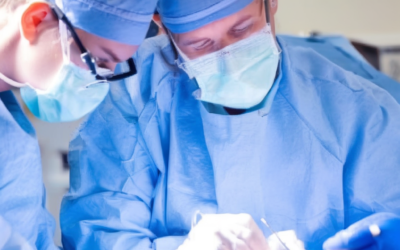
Surgeons at Jerusalem’s Shaare Zedek Medical Center made medical history by performing the world’s first minimally invasive robotic surgery on a pregnant patient with a severe Crohn’s disease complication. The patient, in her third trimester, arrived at the hospital with a dangerous bowel perforation—a hole in the intestinal wall that typically requires emergency open surgery.
Instead of traditional open surgery, which carries significant risks for both mother and baby including premature labor and longer recovery times, the medical team chose a groundbreaking approach. Led by Dr. Ziv Gil, they used advanced robotic technology to perform the complex procedure through small incisions while continuously monitoring the baby’s safety.
The innovative robotic system allowed for greater precision and flexibility while minimizing physical trauma to both patients. Obstetricians worked alongside the surgical team throughout the procedure to ensure the baby remained safe. The surgery was successful—the mother recovered quickly without complications, and the baby remained healthy.
This post summarizes reporting from JNS: Israeli Doctors Perform Groundbreaking Robotic Surgery on Pregnant Crohn’s Patient. Our analysis represents IBD Movement’s perspective and is intended to help patients understand how this news may affect them. Read the original article for complete details.
What This Means for the IBD Community
This breakthrough represents far more than just one successful surgery—it’s a beacon of hope for the thousands of women in our community who face the complex challenge of managing IBD while planning families or during pregnancy. For too long, pregnancy with active IBD has meant navigating impossible choices between maternal and fetal safety.
The reality many of us know is that Crohn’s disease doesn’t pause for pregnancy. Complications like bowel perforations, while rare, can happen at any time. Until now, pregnant women facing these emergencies often had limited options, with traditional open surgery carrying risks of premature labor, increased infection rates, and longer hospital stays that could separate mothers from their newborns.
What makes this case particularly significant is how it demonstrates the evolution of surgical approaches for IBD patients. Minimally invasive techniques have already transformed many aspects of IBD surgery, from reducing recovery times to minimizing visible scarring. Now, we’re seeing these benefits extend to some of our most vulnerable moments—pregnancy complications.
For women currently living with IBD and considering pregnancy, this news offers reassurance that medical innovation continues to expand treatment options. It doesn’t eliminate the risks that come with pregnancy and active IBD, but it does suggest that when emergencies arise, there may be safer paths forward than we previously imagined.
The multidisciplinary approach used in this case—with gastroenterologists, surgeons, and obstetricians working together—also highlights something crucial for our community: the importance of coordinated care. When planning a pregnancy with IBD, having a healthcare team that communicates effectively and stays current with emerging techniques can make all the difference.
This breakthrough also raises important questions worth discussing with your healthcare team if you’re considering pregnancy with IBD. What surgical options are available at your hospital? Does your medical center have experience with advanced minimally invasive techniques? Are there specialists who understand both IBD and high-risk pregnancy management?
Looking Toward the Future
While this represents just one case at one medical center, it signals a broader trend in IBD care—the continued refinement of surgical techniques that prioritize patient safety and recovery. The success of this robotic-assisted surgery will likely encourage other medical centers to develop similar capabilities and expertise.
For our community, this progress comes at a crucial time. As more people with IBD are living fuller lives and starting families, the need for pregnancy-safe treatment options continues to grow. This breakthrough suggests that the medical community is rising to meet that challenge with innovative solutions.
It’s also worth noting that this advancement required not just technology, but expertise and courage from the medical team. They chose to push boundaries when a patient’s life depended on it. This reminds us of the importance of seeking care from medical centers and physicians who stay at the forefront of IBD treatment innovations.
The success of this procedure will likely lead to refined protocols and expanded training for surgeons worldwide. As this technique becomes more widely available, it could transform the standard of care for pregnant women facing severe IBD complications, offering hope where there was once only difficult choices.
This medical breakthrough reminds us that even in our most challenging moments, innovation and expertise can create new possibilities. For every woman in our community who has worried about managing IBD during pregnancy, this achievement represents hope—proof that doctors around the world are working to ensure that having IBD doesn’t have to mean compromising on the dream of a healthy pregnancy and baby. While we celebrate this remarkable achievement, it also reinforces why staying connected with experienced IBD specialists who understand the latest advances remains so important for all of us navigating this complex condition.
IBD Movement provides information for educational purposes only. This content is not intended to be a substitute for professional medical advice, diagnosis, or treatment. Always seek the advice of your physician or other qualified health provider with any questions you may have regarding a medical condition.
Related Posts

New Research Links Certain Occupations to Higher IBD Risk: What This Means for Your Career and Health
February 28, 2026
Eli Lilly’s Omvoh Shows Promise for Crohn’s Disease: What This Breakthrough Could Mean for Your Treatment Journey
February 27, 2026
Could Your Cholesterol Medication Help Your IBD? New Research Reveals Surprising Connection
February 27, 2026