Navigating Menopause and UC: What Changes to Expect
If you’re a woman living with ulcerative colitis, you’ve already mastered the art of listening to your body’s ever-changing signals. But when menopause enters the picture, it can feel like learning an entirely new language—one where your UC symptoms might suddenly speak in whispers instead of shouts, or where the timeline you expected gets rewritten completely.
The intersection of menopause and ulcerative colitis isn’t just about managing two separate conditions; it’s about understanding how these profound changes in your body interact in ways that can be both surprising and, ultimately, hopeful.
Summary of How Does Menopause Affect Ulcerative Colitis?
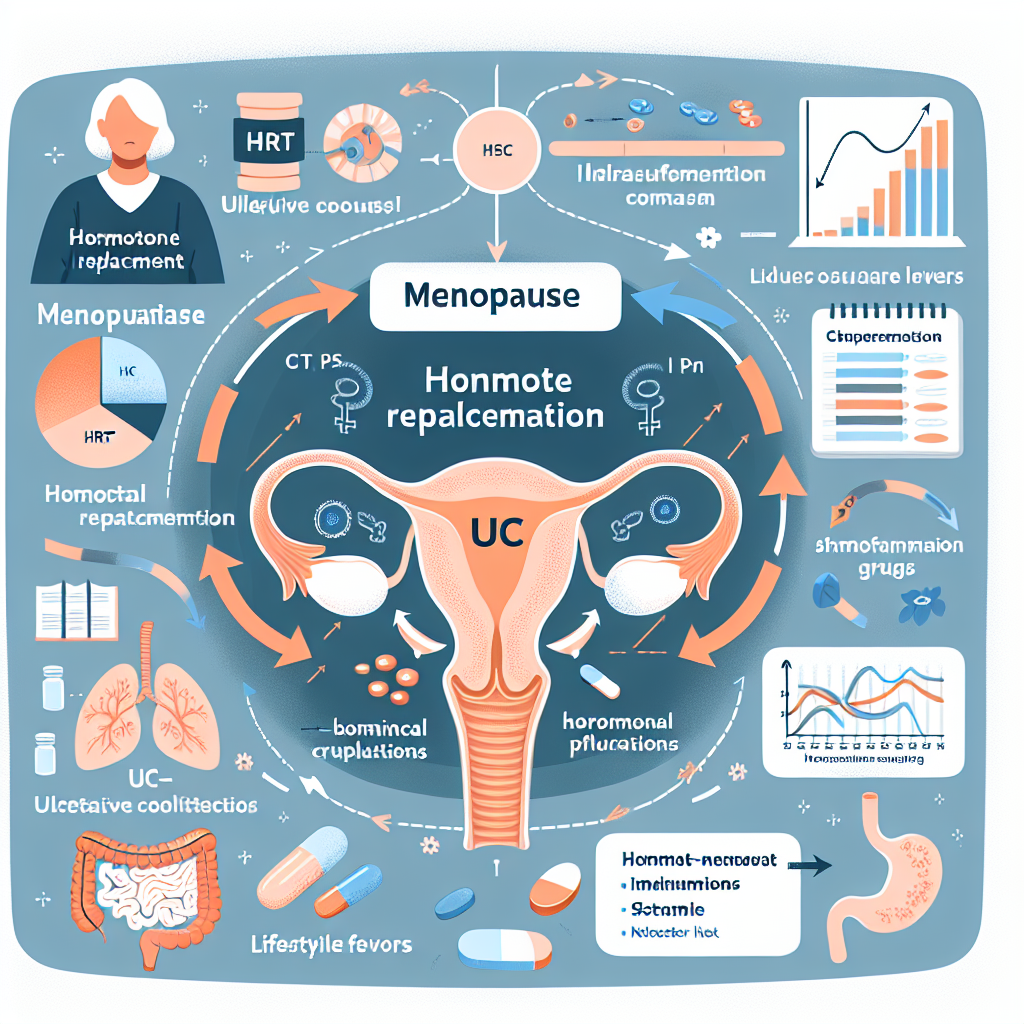
Research shows that the hormonal fluctuations during a woman’s menstrual cycle often worsen ulcerative colitis symptoms, bringing increased abdominal pain and unpredictability. However, after menopause, when these hormone levels stabilize at lower levels, many women experience improvement in their UC symptoms—the condition often becomes more manageable.
Women with ulcerative colitis typically begin menopause about 1.5 years earlier than women without the condition. This earlier onset may be related to chronic inflammation or immune system factors, though researchers are still investigating the exact mechanisms.
Hormone replacement therapy (HRT) has shown promise for some women with UC. Recent studies suggest that carefully selected estrogen therapy might help prevent UC flares after menopause, though this treatment option requires careful consideration of individual risks and benefits with healthcare providers.
This post summarizes reporting from How Does Menopause Affect Ulcerative Colitis?. Our analysis represents IBD Movement’s perspective and is intended to help patients understand how this news may affect them. Read the original article for complete details.
What This Means for the IBD Community
This research offers something many of us rarely get in the IBD world: genuine hope for natural improvement over time. For women who have spent years tracking their symptoms against their menstrual cycles, watching flares coincide with hormonal changes month after month, the possibility that menopause might bring relief rather than additional challenges is profound.
However, the earlier onset of menopause in women with UC raises important questions about long-term health planning. Starting menopause 1.5 years earlier means facing not just the end of reproductive years sooner, but also the increased risks that come with longer exposure to low estrogen levels—including bone density loss, cardiovascular changes, and other health considerations that compound the already complex health management required with IBD.
The potential role of hormone replacement therapy in UC management represents a fascinating intersection of gynecology and gastroenterology that many women haven’t had the opportunity to explore with their care teams. This research suggests that the conversation about HRT for women with UC shouldn’t focus solely on traditional menopause symptoms like hot flashes or sleep disturbances, but should also consider the potential benefits for digestive health.
Questions to Discuss with Your Healthcare Team
This research opens up several important conversations you might want to have with both your gastroenterologist and gynecologist or primary care provider:
- How have your UC symptoms changed in relation to your menstrual cycle over the years, and what might this predict about menopause?
- Given the earlier onset of menopause in women with UC, should you be monitoring for early signs or discussing bone health screening earlier than typically recommended?
- If you’re approaching or experiencing menopause, could hormone replacement therapy be beneficial for both menopause symptoms and UC management?
- How should your IBD treatment plan be adjusted to account for hormonal changes during perimenopause and menopause?
- What additional health screenings or preventive measures should you consider given the earlier menopause timeline?
The Practical Side of Hope
While the prospect of symptom improvement is encouraging, it’s important to approach this transition thoughtfully. The perimenopausal period—the years leading up to menopause—can be particularly unpredictable for women with UC. Hormone levels fluctuate wildly during this time, potentially causing temporary increases in symptom variability before things settle into the potentially calmer post-menopausal pattern.
This means that if you’re in your 40s with UC and notice increasing symptom unpredictability, it might be related to perimenopause starting earlier than expected. Keeping detailed symptom logs that include information about menstrual changes can help your healthcare team identify patterns and adjust treatment accordingly.
The research also highlights the importance of integrated care during this life stage. Women with UC navigating menopause benefit from healthcare providers who understand both conditions and can coordinate care that addresses the whole person, not just individual symptoms or organ systems.
Looking at the Bigger Picture
This research fits into a growing understanding of how hormones influence inflammatory bowel disease throughout a woman’s life. From the initial onset of IBD (which often occurs during reproductive years) through pregnancy, menstrual cycles, and now menopause, hormones play a complex but significant role in disease activity.
What’s particularly encouraging is that this represents an area where the natural aging process might work in favor of women with UC, rather than against them. In a condition where we’re often bracing for the next flare or worrying about disease progression, the possibility that hormonal changes could bring improvement rather than additional challenges is genuinely uplifting.
The research also validates the experiences of many women who have long suspected a connection between their hormones and their UC symptoms, even when this connection wasn’t fully understood or acknowledged by their healthcare providers. This validation can be powerful—your observations about your body were correct, and now science is catching up to support what you’ve been experiencing.
For women with UC, this research doesn’t just offer hope for symptom improvement—it offers a new framework for understanding their bodies and planning for the future. Menopause doesn’t have to be another challenge to manage alongside IBD; it might actually become an unexpected ally in your long-term health journey.
The key is approaching this transition with knowledge, preparation, and the right healthcare support. While every woman’s experience will be unique, understanding these broader patterns can help you advocate for yourself and make informed decisions about your care during this significant life transition.
Related Posts

New Research Links Certain Occupations to Higher IBD Risk: What This Means for Your Career and Health
February 28, 2026
Eli Lilly’s Omvoh Shows Promise for Crohn’s Disease: What This Breakthrough Could Mean for Your Treatment Journey
February 27, 2026
Could Your Cholesterol Medication Help Your IBD? New Research Reveals Surprising Connection
February 27, 2026