Beyond IBD: When Rare Complications Threaten Remission
Picture this: you’ve worked hard to achieve remission with your IBD. Your symptoms are under control, your medications are working, and life feels manageable again. Then, seemingly out of nowhere, you develop fever, fatigue, and other concerning symptoms that your doctor can’t immediately explain. This scenario highlights one of the most unsettling realities of living with inflammatory bowel disease—sometimes the greatest threats aren’t the familiar flares we know how to recognize, but the rare complications that can emerge when we least expect them.
For many of us in the IBD community, this uncertainty can feel overwhelming. We become experts at recognizing our usual symptoms, tracking our triggers, and managing our daily routines around our condition. But what happens when something completely unfamiliar enters the picture?
Summary of the original source
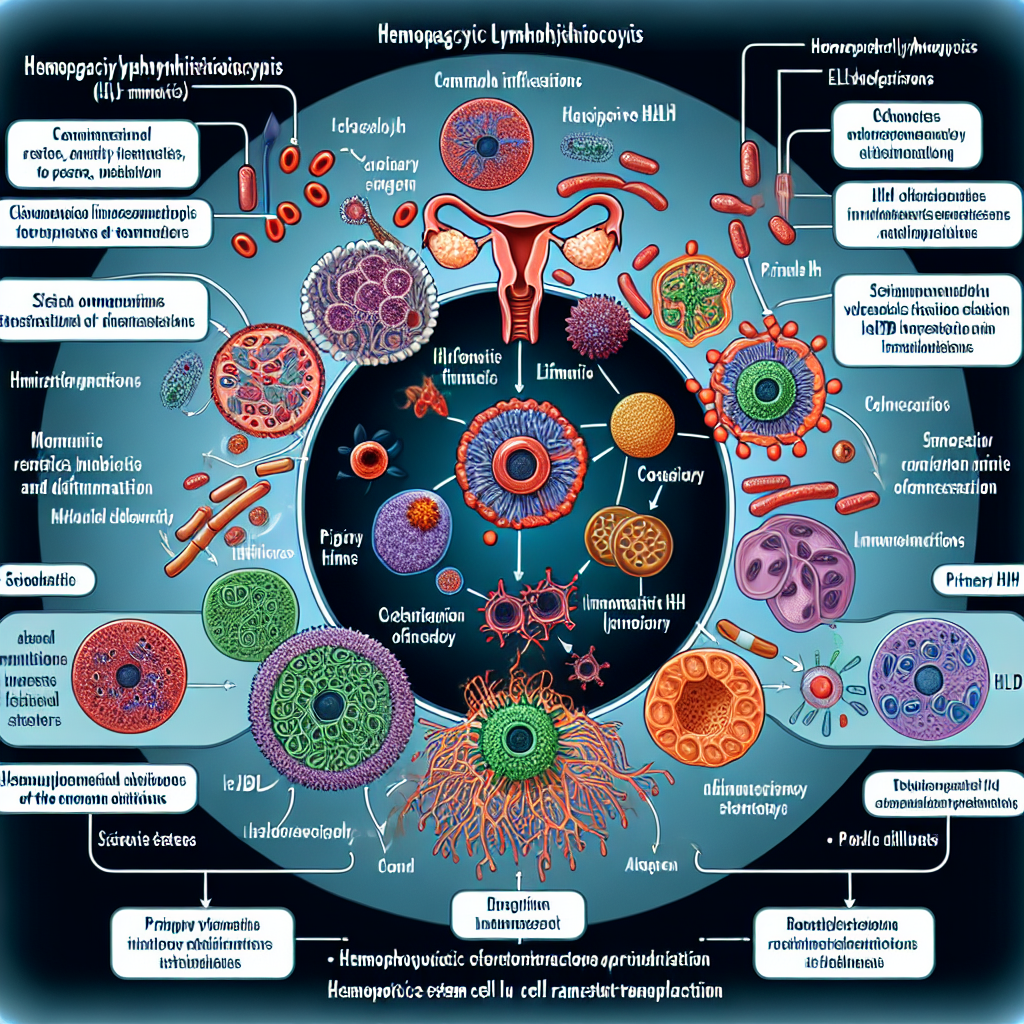
A comprehensive systematic review recently examined 115 cases of hemophagocytic lymphohistiocytosis (HLH) occurring in people with inflammatory bowel disease. HLH is a rare but serious hyperinflammatory condition where the immune system becomes dangerously overactive. The research revealed some important patterns: this condition predominantly affects men with Crohn’s disease, often occurring after years of stable IBD management and while patients are taking standard IBD medications.
The study found that viral infections, particularly cytomegalovirus (CMV) and Epstein-Barr virus (EBV), frequently trigger HLH in IBD patients. While the overall survival rate was approximately 60%, many patients who recovered were able to resume their IBD treatments within months of the crisis. The subtle nature of HLH symptoms often makes it difficult to distinguish from other IBD-related complications, potentially leading to delayed diagnosis.
This post summarizes reporting from the original source. Our analysis represents IBD Movement’s perspective and is intended to help patients understand how this news may affect them. Read the original article for complete details.
What This Means for the IBD Community
This research brings to light a critical aspect of IBD management that many of us may not be aware of—the potential for rare but serious complications to occur even during periods of remission. While HLH remains uncommon, understanding its connection to IBD can help us be more informed advocates for our own health.
What strikes me most about these findings is how they challenge our usual understanding of IBD progression. We’re often told that achieving remission is the goal, and while that remains true, this research reminds us that our immune systems are complex, and sometimes that complexity can work against us in unexpected ways.
The fact that HLH predominantly affects men with Crohn’s disease is particularly noteworthy for several reasons. First, it highlights how gender can influence IBD complications in ways we’re still discovering. Second, it suggests that even those who may feel they have their condition well-managed need to remain vigilant for new or unusual symptoms.
The viral connection is equally important to understand. Many of us with IBD are on immunosuppressive medications that make us more susceptible to infections. While we’re often counseled about common infections to watch for, this research suggests we should also be aware of how certain viral infections might trigger more serious complications. This doesn’t mean we should live in fear of every cold or flu, but rather that we should maintain open communication with our healthcare teams about any persistent or unusual symptoms.
The survival statistics, while concerning, also offer some hope. A 60% survival rate for such a serious condition, combined with the ability of many survivors to return to their IBD treatments, suggests that early recognition and aggressive treatment can make a significant difference. This underscores the importance of having healthcare providers who are familiar with both IBD and its potential complications.
From a practical standpoint, this research raises several important considerations for our daily IBD management. It reinforces the importance of not dismissing new or unusual symptoms as “just IBD.” While we don’t want to become hypochondriacs, we should trust our instincts when something feels different or wrong.
Questions to Consider for Your Care Team
Based on these findings, there are several questions you might want to discuss with your gastroenterologist or IBD specialist:
- What warning signs should I watch for that might indicate complications beyond typical IBD symptoms?
- How often should I have comprehensive lab work to monitor for unusual changes?
- What should I do if I develop persistent fever or fatigue that doesn’t seem related to an IBD flare?
- Are there specific viral infections I should be particularly cautious about given my current medication regimen?
- How quickly should I seek medical attention for symptoms that seem different from my usual IBD patterns?
These conversations can help ensure that you and your healthcare team are prepared to recognize and respond quickly to unusual complications should they arise.
The Broader Context of IBD Research
This research fits into a growing body of literature that’s helping us understand IBD as more than just a gastrointestinal condition. We’re learning that IBD affects multiple body systems and can interact with other medical conditions in complex ways. This holistic understanding is crucial for developing better treatment approaches and improving long-term outcomes.
The systematic review approach used in this study is particularly valuable because it aggregates data from multiple smaller studies, giving us a clearer picture of patterns that might not be apparent in individual case reports. This type of research is essential for rare complications like HLH, where no single institution is likely to see enough cases to draw meaningful conclusions.
What’s encouraging is that awareness of these connections is growing. As more research emerges, healthcare providers are becoming better equipped to recognize and manage these complex situations. This should give us confidence that the medical community is working to understand and address the full spectrum of IBD-related challenges.
The emphasis on the unpredictable nature of these complications also highlights why ongoing research funding and patient advocacy remain so important. The more we understand about these connections, the better equipped we’ll be to prevent, recognize, and treat them.
The Bottom Line
While learning about rare complications like HLH can feel frightening, knowledge is ultimately empowering. This research doesn’t change the fact that most people with IBD lead full, healthy lives, but it does remind us of the importance of staying informed, maintaining strong relationships with our healthcare teams, and trusting our instincts when something doesn’t feel right.
The key takeaway isn’t to worry about every possible complication, but rather to approach our IBD management with both confidence and vigilance. By staying educated about emerging research and maintaining open communication with our doctors, we can be prepared to address whatever challenges come our way—common or rare.
IBD Movement provides information for educational purposes only. This content is not intended to be a substitute for professional medical advice, diagnosis, or treatment. Always seek the advice of your physician or other qualified health provider with any questions you may have regarding a medical condition.
Related Posts

New Research Links Certain Occupations to Higher IBD Risk: What This Means for Your Career and Health
February 28, 2026
Eli Lilly’s Omvoh Shows Promise for Crohn’s Disease: What This Breakthrough Could Mean for Your Treatment Journey
February 27, 2026
Could Your Cholesterol Medication Help Your IBD? New Research Reveals Surprising Connection
February 27, 2026