The Smoking Paradox: What UC Research Reveals About Future Hope
Living with ulcerative colitis means navigating countless contradictions—foods that seem healthy trigger flares, treatments that promise relief sometimes fail, and now we’re learning that one of the most harmful habits known to medicine might actually protect against UC symptoms. It’s frustrating, confusing, and yet oddly hopeful all at once.
For decades, the IBD community has whispered about this uncomfortable truth: people who smoke seem to have fewer UC flares. It’s a fact that’s made many of us feel conflicted—especially those who quit smoking only to see their symptoms worsen. Today, we finally have answers about why this happens, and more importantly, what it might mean for safer treatments in the future.
Summary of here
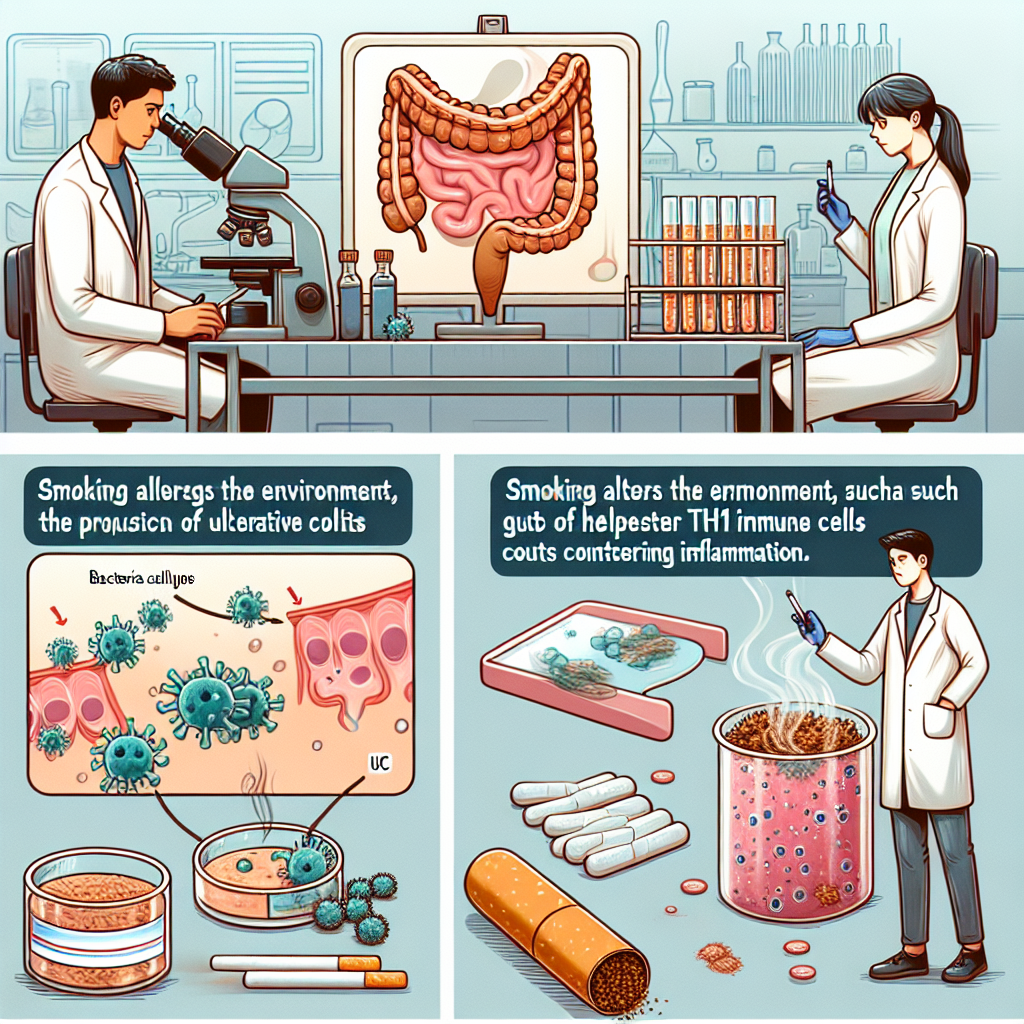
Japanese researchers have finally solved the mystery of why smoking appears to protect people with ulcerative colitis from severe flare-ups. Their groundbreaking study reveals that smoking fundamentally changes the composition of gut bacteria, promoting the growth of beneficial microbes that help calm the inflammatory processes driving UC.
The research shows that tobacco use encourages specific bacteria in our digestive system that naturally fight inflammation—essentially creating a protective shield against the immune system attacks that characterize ulcerative colitis. However, this protection comes at an enormous cost, as smoking dramatically increases risks for cancer, heart disease, and numerous other life-threatening conditions.
The most exciting aspect of this discovery isn’t about smoking itself, but what it reveals about potential new treatment approaches. Scientists are now exploring ways to recreate these beneficial bacterial changes through safer methods, including specialized probiotics, targeted nutrients, and even controlled nicotine delivery systems like patches—though the safety and effectiveness of these alternatives are still being studied.
This post summarizes reporting from here. Our analysis represents IBD Movement’s perspective and is intended to help patients understand how this news may affect them. Read the original article for complete details.
What This Means for the IBD Community
This research validates something many in our community have experienced firsthand, often with guilt and confusion. If you’ve ever noticed your UC symptoms worsened after quitting smoking, or if you’ve struggled with the moral dilemma of a harmful habit that seemed to help your disease, you’re not alone—and you’re not imagining things.
What’s particularly significant is that this study shifts our focus from the harmful delivery method (smoking) to the beneficial mechanism (bacterial changes). This represents a fundamental breakthrough in how we might approach UC treatment in the future. Instead of managing symptoms after they occur, we could potentially prevent flares by maintaining healthier gut bacterial communities.
For those currently managing UC, this research offers several important considerations for discussions with your healthcare team:
- Microbiome testing: Some gastroenterologists now offer comprehensive gut bacteria analysis, which could help identify if you have the protective bacterial strains naturally or might benefit from targeted probiotic therapy
- Dietary modifications: Certain foods and supplements can promote the same beneficial bacteria that smoking encourages, potentially offering a natural way to support gut health
- Smoking cessation support: If you currently smoke, this research doesn’t change the recommendation to quit—but it does suggest your healthcare team should be prepared for potential UC symptom changes and have strategies ready
- Future treatment options: Ask about clinical trials or emerging therapies that target the gut microbiome, as these may become available sooner than traditional drug development timelines
This discovery also highlights why personalized medicine is becoming so crucial in IBD care. The bacterial communities in our guts are as unique as fingerprints, influenced by genetics, diet, environment, stress levels, and countless other factors. What works for one person with UC may not work for another, and understanding these individual differences is key to developing more effective treatments.
For caregivers and family members, this research underscores the complexity of IBD management. It’s not simply a matter of avoiding trigger foods or taking medication—our gut bacteria play a sophisticated role in disease activity that we’re only beginning to understand. This knowledge can help family members appreciate why IBD management requires such individualized approaches and ongoing medical oversight.
The potential for nicotine-based therapies also opens intriguing possibilities, though with important caveats. Nicotine patches and gums have been studied for UC before with mixed results, and this new understanding of the bacterial mechanism might help researchers design more effective nicotine-based treatments. However, nicotine itself carries risks and isn’t appropriate for everyone, particularly those with heart conditions, during pregnancy, or with addiction concerns.
Connecting to Broader IBD Research Trends
This breakthrough fits into a larger transformation happening in IBD research and treatment. We’re moving from a one-size-fits-all approach toward precision medicine that considers individual genetic profiles, bacterial communities, immune system characteristics, and lifestyle factors.
The gut microbiome has emerged as a central player in IBD development and management. This research adds another piece to the puzzle, showing how external factors (like smoking) can modify our bacterial communities in ways that significantly impact disease activity. Other researchers are exploring similar connections with stress, sleep, exercise, and various dietary approaches.
We’re also seeing increased interest in combination therapies that address multiple aspects of IBD simultaneously—not just immune system suppression, but also gut barrier function, bacterial balance, and inflammatory pathways. This holistic approach recognizes that IBD is a complex, multi-system condition that may require multi-faceted treatment strategies.
Perhaps most importantly, this research demonstrates the value of studying uncomfortable paradoxes in medicine. The smoking-UC connection was known for decades but largely ignored because it seemed to contradict public health messaging. By investigating this paradox seriously, researchers uncovered mechanisms that could lead to breakthrough treatments.
Looking Forward: Hope on the Horizon
While we shouldn’t expect immediate clinical applications, this research suggests several promising directions for future UC treatments. Probiotic therapies specifically designed to replicate the protective bacterial changes could offer significant benefits without smoking’s risks. Nutritional interventions that support beneficial bacteria growth might become standard parts of UC management. Even pharmaceutical approaches that target specific bacterial pathways could emerge from this understanding.
The timeline for translating this research into available treatments will likely span several years, as safety and effectiveness studies are essential. However, the clear biological mechanism identified in this study should accelerate development compared to traditional drug discovery processes.
This discovery reminds us that even in our most challenging health battles, there’s always more to learn and hope to be found. The same bacterial communities that have been silently influencing our symptoms may hold keys to better treatments. While we wait for these advances, we can work with our healthcare teams to optimize our gut health through proven approaches like stress management, appropriate nutrition, and medications that support rather than disrupt our beneficial bacteria.
Understanding the ‘why’ behind the smoking paradox doesn’t just satisfy scientific curiosity—it opens doors to safer, more effective treatments that could transform life with ulcerative colitis. For a community that has long dealt with limited treatment options and unpredictable flares, this research offers genuine reason for optimism about what’s possible in the years ahead.
IBD Movement provides information for educational purposes only. This content is not intended to be a substitute for professional medical advice, diagnosis, or treatment. Always seek the advice of your physician or other qualified health provider with any questions you may have regarding a medical condition.
Related Posts

New Research Links Certain Occupations to Higher IBD Risk: What This Means for Your Career and Health
February 28, 2026
Eli Lilly’s Omvoh Shows Promise for Crohn’s Disease: What This Breakthrough Could Mean for Your Treatment Journey
February 27, 2026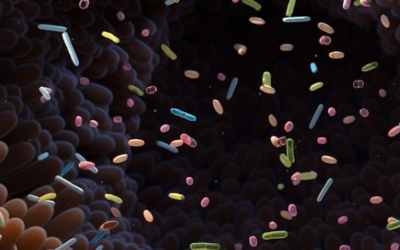
Could Your Cholesterol Medication Help Your IBD? New Research Reveals Surprising Connection
February 27, 2026