New Crohn’s Treatment Shows Promise for True Healing
If you’ve lived with Crohn’s disease for any length of time, you know that crushing cycle: a new treatment brings hope, maybe even some relief, but then the symptoms creep back. The inflammation returns. The pain resurfaces. And you’re left wondering if there will ever be something that doesn’t just manage your disease, but actually helps your body heal.
That’s why recent news about a potential breakthrough treatment has caught my attention—and likely yours too if you’re reading this. Sometimes, medical advances offer incremental improvements. But occasionally, we hear about something that could genuinely change the game for people living with IBD.
Summary of Tipranks
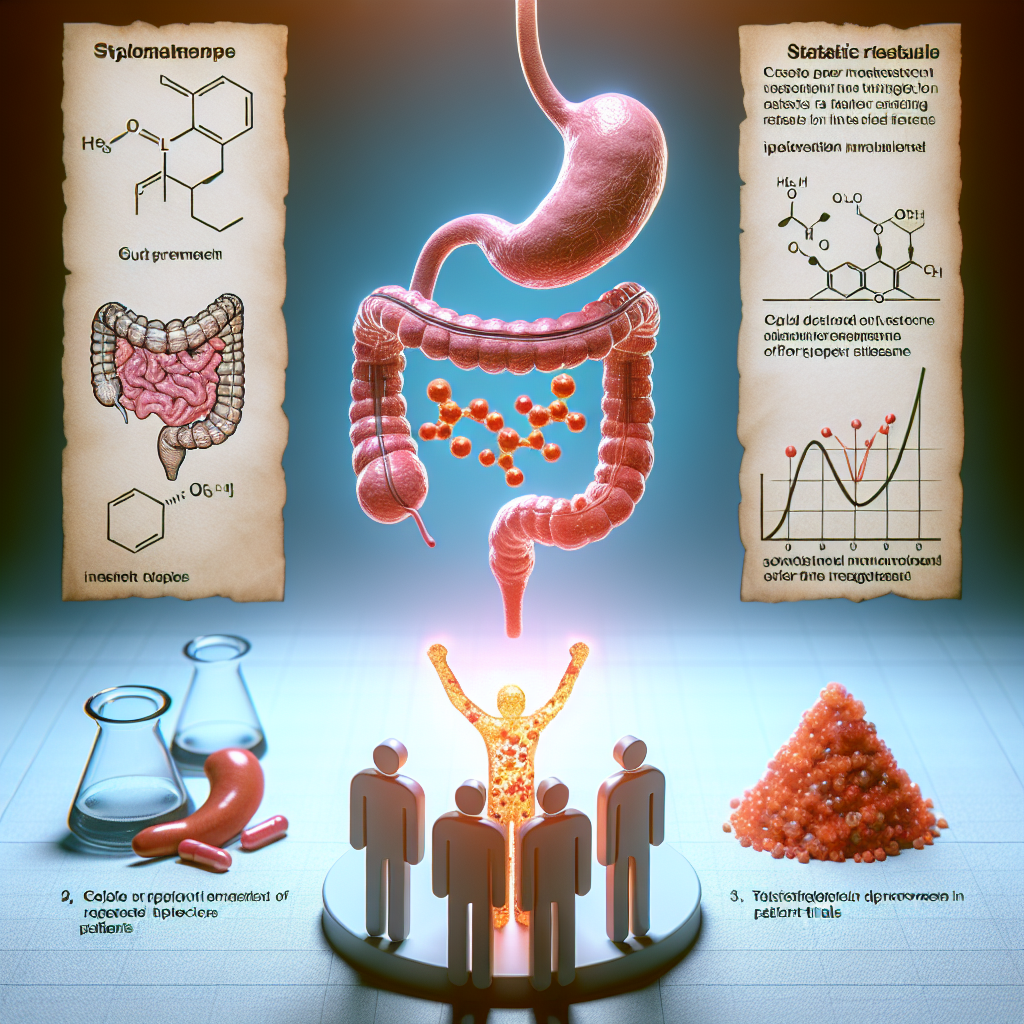
AbbVie has released promising results from their Phase 3 clinical trial studying risankizumab for Crohn’s disease treatment. The study showed that 52% of participants achieved remission with risankizumab, compared to 41% with placebo. Perhaps even more encouraging, the treatment demonstrated significant endoscopic healing—meaning doctors could actually see tissue repair during colonoscopy examinations, nearly double the rate seen in the placebo group.
The safety profile appeared favorable, with participants experiencing no more side effects than those taking placebo. The positive results sustained over a three-year follow-up period. In head-to-head comparisons, risankizumab outperformed ustekinumab, an existing IBD treatment, suggesting it may offer benefits for patients who haven’t found success with current therapy options.
This post summarizes reporting from Tipranks. Our analysis represents IBD Movement’s perspective and is intended to help patients understand how this news may affect them. Read the original article for complete details.
What This Means for the IBD Community
Let’s talk about why this news matters beyond the statistics. When we see terms like “endoscopic healing,” we’re talking about something that goes far deeper than symptom management. This suggests the medication isn’t just masking inflammation—it’s helping the intestinal tissue actually repair itself. For anyone who has experienced the frustration of treatments that provide temporary relief but don’t address the underlying damage, this represents a fundamentally different approach.
The 52% remission rate, while not a cure-all, is encouraging when you consider that many of us have struggled to find any treatment that works consistently. But here’s what really stands out: the sustained results over three years. In the IBD world, we’re used to the “honeymoon period” with new medications—that initial period where things seem great, followed by the gradual return of symptoms. The longevity of these results suggests we might be looking at something more durable.
For those who have been through multiple treatment failures, the fact that risankizumab outperformed ustekinumab in direct comparison could be particularly significant. If you’re currently on ustekinumab or have tried it without success, this suggests there may be another option on the horizon that could work differently for your body.
From a practical standpoint, the comparable safety profile to placebo is reassuring. We’ve all weighed the risks and benefits of various treatments, often accepting significant side effects for the chance at relief. A treatment that appears to offer superior efficacy without additional safety concerns could shift that risk-benefit equation in a meaningful way.
However, it’s important to maintain realistic expectations. Even with these promising results, risankizumab would still need FDA approval, and individual responses to any medication vary widely. What works well for 52% of people in a clinical trial may not work for everyone, and the controlled environment of a study doesn’t always predict real-world outcomes.
If you’re currently stable on your existing treatment, this news doesn’t necessarily mean you should rush to change anything. But if you’ve been struggling to find effective control of your Crohn’s symptoms, or if your current treatment is losing effectiveness, this research suggests there may be new options to discuss with your gastroenterologist in the coming years.
This development also reflects broader trends in IBD treatment that give me hope. We’re moving toward more targeted therapies that address specific pathways involved in inflammatory bowel disease, rather than broadly suppressing the immune system. This precision approach often leads to better outcomes with fewer systemic effects.
Questions worth considering for your next doctor’s appointment might include: How does this compare to other treatments in development? What would make me a good candidate for this type of therapy if it becomes available? Should I maintain my current treatment plan while waiting for new options, or are there adjustments we should consider now?
Beyond the immediate clinical implications, news like this represents something equally important: continued investment and innovation in IBD research. Every breakthrough, even incremental ones, builds the foundation for future discoveries. The fact that pharmaceutical companies continue to see value in developing new IBD treatments suggests we can expect more options in the pipeline.
Looking Forward with Cautious Optimism
While we await more detailed results and potential FDA review, this research offers something we all need more of: genuine hope. Not the kind of hope that ignores reality, but the evidence-based optimism that comes from seeing real progress in addressing the root causes of our condition.
The journey from promising clinical trial to available treatment can take time, but knowing that researchers are achieving results like endoscopic healing—actual tissue repair—reminds us that better days may indeed be ahead. For now, the most important step is staying informed, maintaining open communication with your healthcare team, and continuing to advocate for your best possible care with the tools we have today.
IBD Movement provides information for educational purposes only. This content is not intended to be a substitute for professional medical advice, diagnosis, or treatment. Always seek the advice of your physician or other qualified health provider with any questions you may have regarding a medical condition.
Related Posts

Vitamin D Shows Promise for Reshaping Gut Response in IBD: What This Could Mean for Your Treatment Journey
April 18, 2026
Beyond Diet: Why Comprehensive Care Is Essential for Managing Crohn’s Disease
April 17, 2026
AI Revolution in IBD Care: How Artificial Intelligence Could Transform Your Treatment Journey
April 16, 2026