The Hidden Cost of Waiting: Why IBD Diagnosis Delays Matter
Last updated: May 28, 2026
It took me about eight months to get a Crohn’s diagnosis after symptoms started in 2002. Looking back, that’s not an unusually long delay — some people wait years. At the time I just thought I had a GI problem that doctors were struggling to explain. It wasn’t until a gastroenterologist ordered a colonoscopy that I finally had an answer.
Research published through HealthCentral and the studies it covers document what many patients already know anecdotally: delayed IBD diagnosis isn’t just frustrating — it correlates with measurably worse outcomes. Higher surgery rates. More aggressive treatment requirements. Complications that might have been preventable if disease was caught earlier.
What the Research Found
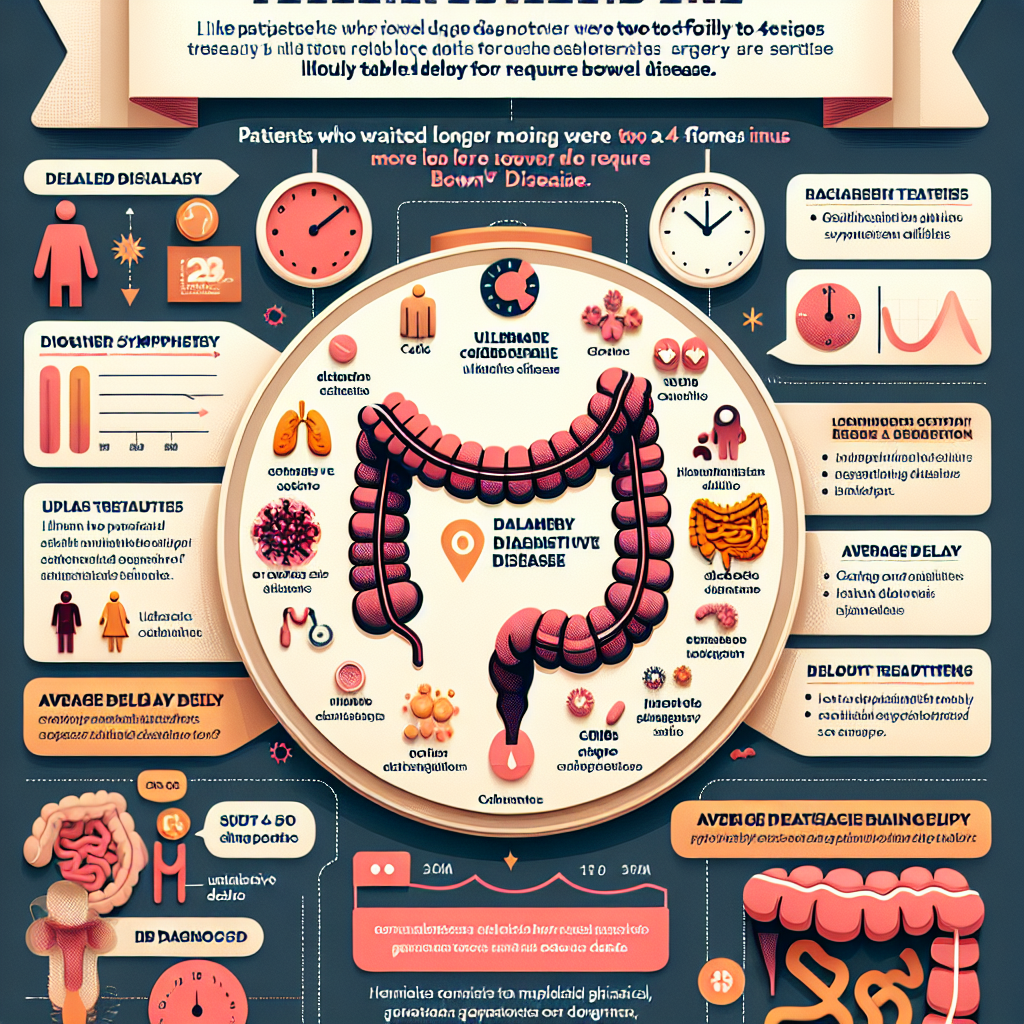
The studies on diagnostic delay in IBD consistently show the same pattern: patients who go longer without a diagnosis tend to have more severe disease when they’re finally diagnosed, require more intensive initial treatment, and face higher rates of surgical intervention over their disease course.
The mechanism isn’t complicated. IBD — both Crohn’s disease and ulcerative colitis — causes ongoing inflammation during the undiagnosed period. That inflammation isn’t on hold while the diagnostic workup sorts itself out. Strictures form, fistulas develop, mucosal damage accumulates. By the time a diagnosis lands, some patients have already experienced complications that would have been less likely with earlier intervention.
The research also documents why delays happen: IBD symptoms overlap substantially with more common and less serious conditions. Abdominal pain, diarrhea, fatigue — these are not specific to IBD. Irritable bowel syndrome, infectious gastroenteritis, and dietary intolerances present similarly. Clinicians seeing these symptoms for the first time reasonably start with the more common explanations. The problem is when that initial assumption holds too long, or when patients with persistent symptoms don’t get escalated to specialist workup promptly.
The Systemic Problems
Diagnosis delays aren’t just about individual clinical decisions. They’re also structural. Primary care physicians see a high volume of GI complaints; gastroenterologist wait times in many areas are months long; diagnostic tools like colonoscopy require referral, preparation, and scheduling. Even after a colonoscopy is ordered, the result has to be interpreted correctly — IBD can be missed on a single scope if the disease distribution doesn’t correspond to what’s being looked for.
There’s also a documented disparity in who gets taken seriously earlier. The research on IBD diagnosis consistently finds that women, younger patients, and patients from certain demographic groups experience longer diagnostic delays than others. Bias in clinical pattern recognition — “IBD usually presents in young white men” — leads to under-suspicion in other populations.
I can’t speak to what my own delay cost me clinically. I developed perianal fistulas before 2003 — before I started Remicade. Whether earlier diagnosis would have changed that trajectory I genuinely don’t know. But the research’s finding that early diagnosis correlates with less severe long-term disease is plausible mechanistically, and the literature on it is reasonably consistent.
What to Do If You’re Still Undiagnosed
If you’re reading this because you’re currently in a diagnostic limbo — symptoms that sound like IBD, a workup that hasn’t produced a clear answer — a few things that actually matter:
Ask specifically about IBD. Vague GI complaints get vague workups. If you have persistent bloody stools, chronic diarrhea lasting more than a few weeks, unexplained weight loss, or nighttime symptoms (symptoms that wake you up, which IBS typically doesn’t), name those specifically when you’re talking to your doctor. Ask whether a gastroenterology referral is appropriate.
Push for gastroenterology if primary care isn’t moving. General practitioners can order blood work and stool tests that suggest inflammation (CRP, fecal calprotectin), but the definitive diagnostic tool for IBD is endoscopy. If your symptoms are persisting and you haven’t had a colonoscopy or upper endoscopy reviewed by a gastroenterologist, that’s the conversation to have.
Keep a symptom log. Date, what symptoms, severity, anything that made it better or worse. When you’re talking to a new clinician, a written pattern is harder to dismiss than a verbal account. It also helps you identify whether your symptoms are episodic (flares with quiet periods) or continuous, which is useful diagnostic information.
Second opinions are legitimate. If you’ve been told your symptoms are stress, anxiety, or IBS without investigation, getting a second gastroenterology opinion is a reasonable thing to do. IBD diagnosis sometimes happens only after a patient insists on more thorough evaluation.
If You’re Already Diagnosed
The research on diagnostic delay is also useful as retrospective context. If you were diagnosed late and have more severe or complicated disease, that’s not an indictment of the care you received — diagnostic delays happen for structural reasons as much as individual ones. But understanding that your disease course may reflect an accumulation period before diagnosis can be useful framing when discussing treatment aggressiveness with your GI.
Some patients who were diagnosed late start at a more advanced disease stage and need biologics or combination therapy from the beginning rather than stepping through milder treatments first. That’s a legitimate and evidence-based approach. It’s worth asking your gastroenterologist explicitly whether your initial disease presentation suggests any reason to be more rather than less aggressive in treatment from the start.
Nothing here is medical advice. If you’re experiencing persistent GI symptoms, the right resource is your doctor — not a website. IBD Movement exists to translate and contextualize research, not to replace clinical evaluation.