Minimally Invasive Surgery Shows Promise for Severe IBD Complications: New Research Compares Surgical Approaches
Summary of Cureus
IBD Movement provides news analysis and insights for the IBD community. Always consult your healthcare provider for personal medical advice.
When Surgery Becomes Necessary: Understanding Your Options
For people living with inflammatory bowel disease (IBD), the possibility of needing surgery can feel overwhelming. While most of us hope to manage our condition through medication and lifestyle changes, sometimes severe complications like acute colitis or fulminant colitis require surgical intervention. If you’ve ever wondered about the different surgical approaches available or worried about recovery times, new research published in Cureus offers encouraging insights that could significantly impact your treatment journey.
This comprehensive analysis examines two different surgical approaches for severe IBD complications, potentially offering patients less invasive options with improved outcomes. Understanding these developments could help you have more informed conversations with your healthcare team about surgical options if they ever become necessary.
What the Research Reveals
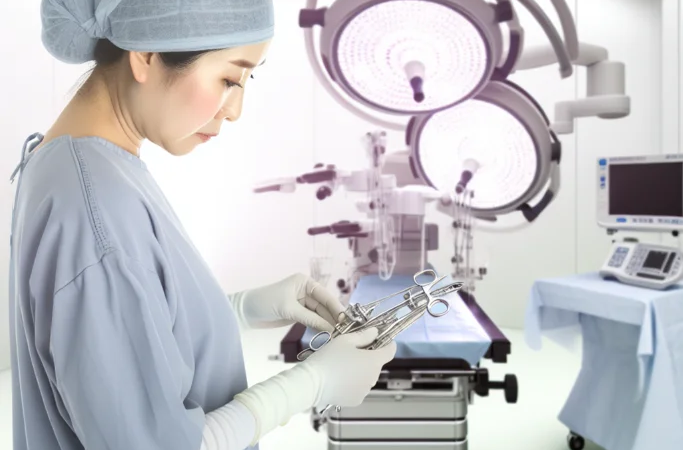
According to Cureus, researchers conducted a systematic review and meta-analysis comparing laparoscopic surgery to traditional open surgery for patients experiencing acute severe colitis and fulminant colitis. These conditions represent some of the most serious complications of IBD, particularly ulcerative colitis, where the colon becomes severely inflamed and may require emergency surgical intervention.
The study analyzed multiple research papers to determine which surgical approach offers better outcomes for patients facing these critical situations. Laparoscopic surgery, often called “keyhole surgery,” uses small incisions and a camera to guide the procedure, while open surgery involves larger incisions that provide direct access to the surgical site.
The research focused specifically on patients with acute severe colitis and fulminant colitis, conditions that can be life-threatening and require immediate medical attention. These complications occur when inflammation in the colon becomes so severe that it doesn’t respond to standard medical treatments, potentially leading to perforation, massive bleeding, or toxic megacolon.
What This Means for IBD Patients: A Comprehensive Analysis
This research represents a significant development in IBD care, particularly for those facing the most severe complications of their condition. For people living with ulcerative colitis, understanding that minimally invasive surgical options may be available during emergency situations can provide both practical and emotional benefits.
Reduced Physical Trauma and Faster Recovery
One of the most significant implications of this research is the potential for reduced physical trauma during surgery. Traditional open surgery, while effective, requires larger incisions that can lead to longer recovery times, increased pain, and more visible scarring. For IBD patients who may already be dealing with fatigue, malnutrition, and other complications from their disease, minimizing additional physical stress becomes crucial.
Laparoscopic approaches typically result in smaller scars, which can be particularly important for younger patients or those concerned about body image issues that often accompany chronic illness. The psychological impact of less invasive surgery shouldn’t be underestimated – many IBD patients already struggle with feelings about their changed bodies, and minimizing surgical scarring can support better long-term mental health outcomes.
Implications for Emergency Situations
Perhaps most importantly, this research addresses surgical options during medical emergencies. Acute severe colitis and fulminant colitis are frightening complications that can develop rapidly. Knowing that surgeons may have effective minimally invasive options available can provide peace of mind for patients and families facing these critical situations.
Emergency surgery for IBD complications has traditionally been associated with significant recovery challenges. Patients are often already weakened by severe inflammation, dehydration, and medication side effects. If laparoscopic approaches prove equally effective to open surgery in these emergency situations, patients could potentially experience shorter hospital stays, reduced infection risks, and faster returns to baseline functioning.
Long-term Quality of Life Considerations
The research also has broader implications for long-term quality of life after surgery. Many IBD patients who require surgery for severe complications are relatively young, meaning they’ll live with the consequences of their surgical approach for decades. Minimally invasive techniques that reduce adhesion formation, minimize scarring, and preserve abdominal wall integrity could significantly impact future surgical procedures if they become necessary.
For patients who may need additional surgeries related to their IBD or other health conditions later in life, having less surgical scarring and tissue damage from previous procedures can make future operations safer and more straightforward.
Changing the Conversation About IBD Surgery
This research also contributes to changing perceptions about IBD surgery. Many patients view surgery as a failure of medical management or a last resort to be avoided at all costs. While surgery should never be taken lightly, research demonstrating improved surgical techniques and outcomes can help patients understand that modern surgical approaches are sophisticated, effective, and designed with patient wellbeing in mind.
The availability of minimally invasive options for even the most severe IBD complications suggests that surgical intervention, when medically necessary, doesn’t have to mean months of difficult recovery or significant long-term physical limitations.
Expert Perspectives on Surgical Decision-Making
Gastroenterologists and colorectal surgeons emphasize that the choice between laparoscopic and open surgery depends on multiple factors beyond just the research evidence. Patient-specific considerations include the extent of inflammation, previous surgical history, overall health status, and the urgency of the situation.
Medical experts typically recommend that patients discuss their preferences for surgical approaches with their healthcare team before emergency situations arise. Having these conversations during stable periods allows for more thorough discussion of options, risks, and benefits. Many specialists now include discussions about potential surgical scenarios in routine IBD care planning, helping patients feel more prepared and informed about all aspects of their treatment journey.
Actionable Takeaways for IBD Patients
- Discuss surgical options proactively: Don’t wait for an emergency – talk with your gastroenterologist about potential surgical scenarios and preferred approaches during routine appointments
- Research your surgical team: If surgery becomes necessary, inquire about your surgeon’s experience with laparoscopic techniques for IBD complications
- Understand your specific risk factors: Ask your doctor about your individual risk for developing acute severe colitis or fulminant colitis based on your disease pattern and current treatments
- Prepare advance directives: Consider documenting your preferences for surgical approaches in case emergency decisions need to be made when you’re unable to participate in the discussion
- Stay informed about surgical advances: Keep up with developments in IBD surgical techniques through reputable sources and discuss new research with your healthcare team
Looking Forward: Hope and Preparation
This research represents the ongoing evolution of IBD care, where treatment options continue to improve and become less invasive. While no one hopes to need surgery for IBD complications, knowing that effective, minimally invasive options may be available provides reassurance and hope.
The key takeaway isn’t that surgery is inevitable or desirable, but rather that when surgical intervention becomes medically necessary, patients may have better options than ever before. This research contributes to a growing body of evidence showing that IBD care continues to advance, offering patients more choices and better outcomes across all aspects of treatment.
We encourage our community members to share their experiences with IBD surgery and discuss how this research might impact their own treatment planning. Your insights and questions help everyone in our community stay informed and prepared for whatever their IBD journey may bring.
Source: This post summarizes reporting from Cureus. Read the original article.
Related Posts

Beyond Diet: Why Comprehensive Care Is Essential for Managing Crohn’s Disease
April 17, 2026
AI Revolution in IBD Care: How Artificial Intelligence Could Transform Your Treatment Journey
April 16, 2026
JAK Inhibitors in Crohn’s Disease: Navigating Safety Concerns and Treatment Decisions
April 15, 2026