Category: Support

Sleep Optimization Toolkit for IBD Flare Management: A Complete Guide to Better Rest Despite Symptoms
Living with inflammatory bowel disease (IBD) often means navigating a complex relationship with sleep. Whether it’s the urgent need for bathroom trips that…

New Insights into Pediatric IBD Treatment: What This Means for Young Patients and Their Families
If you’re a parent watching your child struggle with inflammatory bowel disease, or if you were diagnosed with IBD as a young person yourself, you know that…

The Promise of Personalized IBD Care: What UChicago Medicine’s Patient-Centered Approach Means for Your Crohn’s Journey
Living with Crohn’s disease often feels like navigating an unpredictable storm – one day you’re managing symptoms well, and the next, you’re back to square…
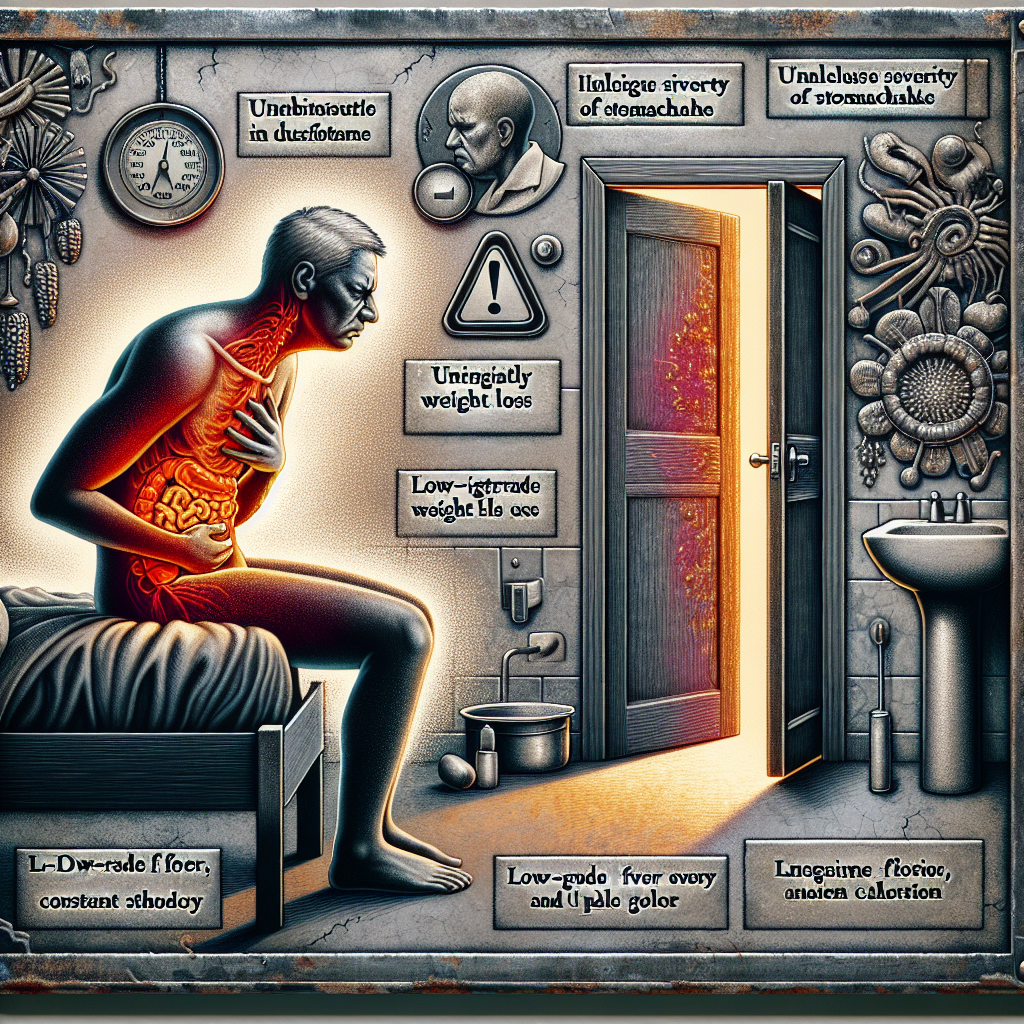
Why Your ‘Stress’ Symptoms Might Actually Be Early Crohn’s Signs
Many people with persistent digestive symptoms are told it’s “just stress,” but gastroenterologists are now highlighting subtle early signs of Crohn’s disease that often get overlooked. Understanding these warning signs can help patients advocate for proper care and potentially shorten the path to diagnosis.

New Hope for Kids with Crohn’s: Blood Filtering Treatment Shows Promise
New research shows that a blood filtering treatment called GMA helped 69% of children with Crohn’s disease achieve remission, offering hope for families seeking alternatives to traditional medications. This gentle, non-drug approach could be a game-changer for kids who haven’t responded well to conventional treatments.

The Hidden Struggles: Living With Crohn’s Unpredictability
Living with Crohn’s disease means navigating unpredictable symptoms while maintaining hope for better days. Beyond the medical management, it’s about understanding the emotional toll of chronic illness and building the resilience to thrive despite uncertainty.
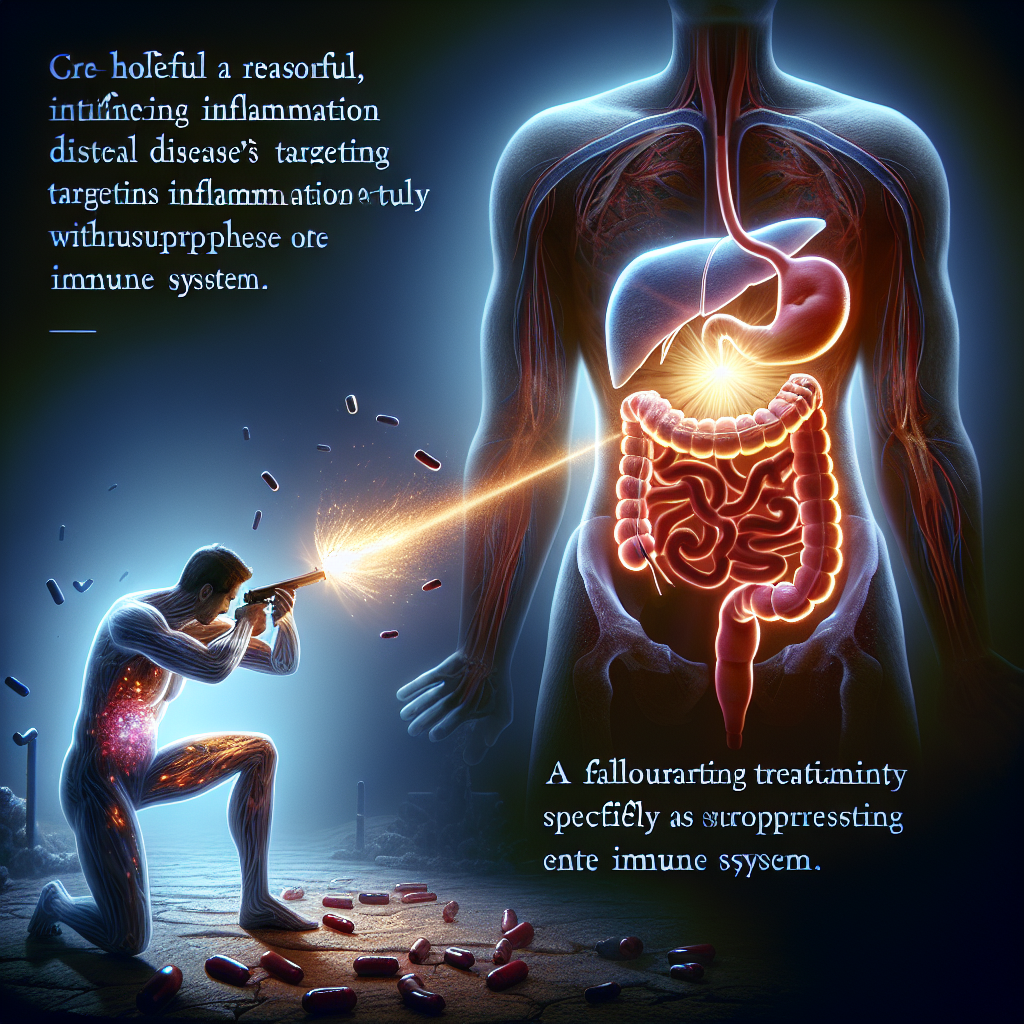
Long-Term Hope: Vedolizumab Proves Safe for Extended IBD Treatment
New long-term safety data for Vedolizumab shows encouraging results for IBD patients, with low rates of serious side effects even after years of use. This evidence provides much-needed reassurance for those considering or currently using this targeted biologic therapy.
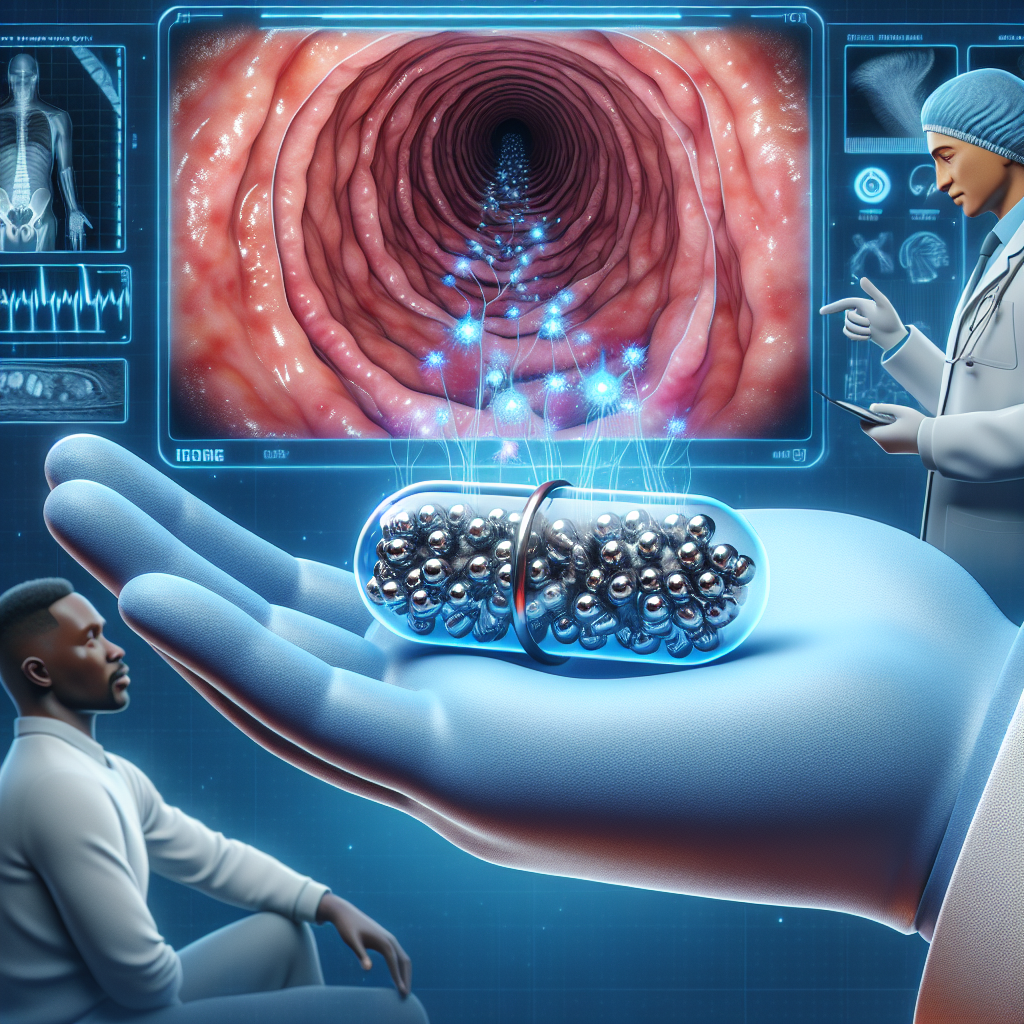
A Swallowable Pill Could Replace Colonoscopies for IBD Patients
Researchers are developing a swallowable ‘magnetic pill’ that could replace many colonoscopies with a simple, non-invasive procedure. For IBD patients who need frequent monitoring, this technology could be life-changing.

Finally, Clearer Answers: New Study Compares IBD Imaging Options
New research directly compares MRI and CT imaging for IBD, showing both are highly effective but excel in different areas. This evidence supports personalized imaging approaches that consider individual patient factors like age, symptoms, and long-term monitoring needs.
The FMT Study That Didn’t Work: What It Teaches Us About Crohn’s
A recent study tested fecal microbiota transplantation (FMT) for Crohn’s disease with disappointing results—but what can we learn from this setback? While FMT didn’t improve remission rates in 8 weeks, the research offers valuable insights for future treatments and reminds us that progress in IBD research often comes through understanding what doesn’t work.