Category: Support
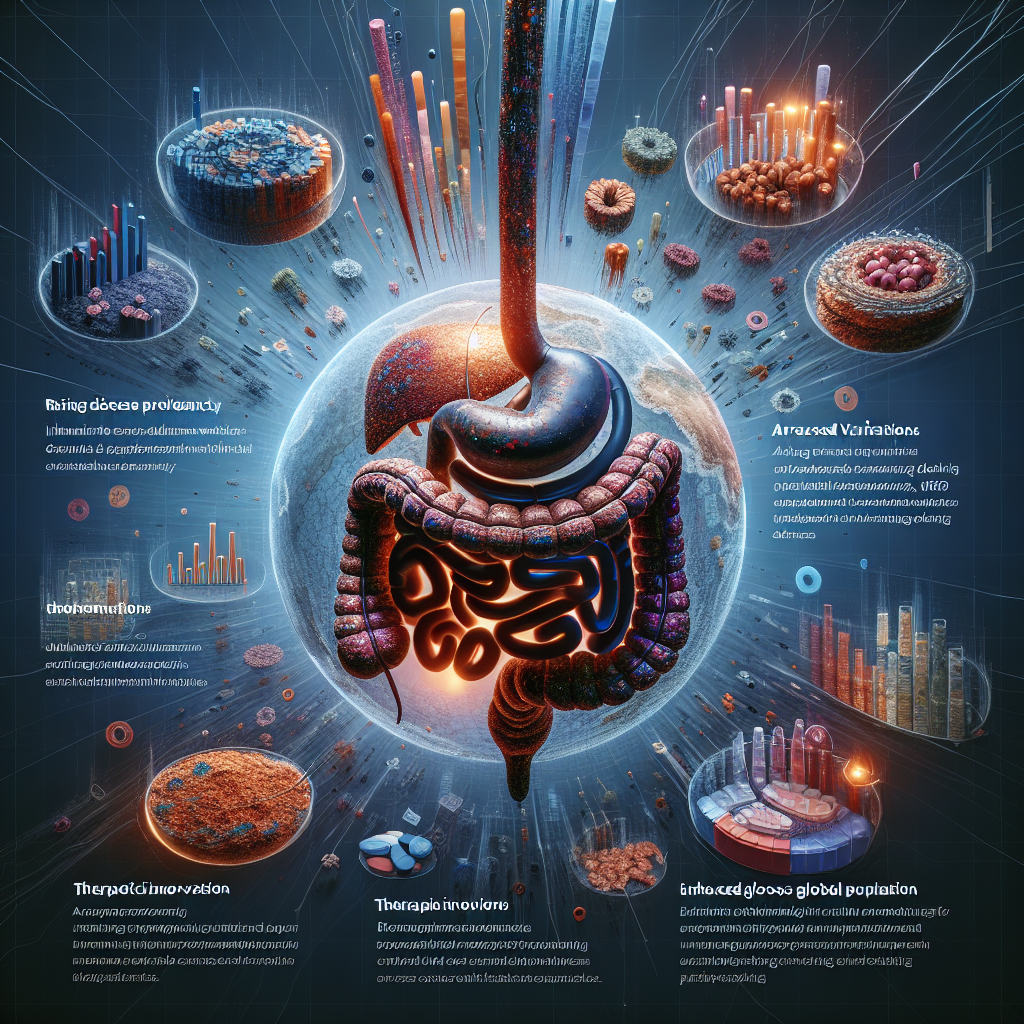
A $36 Billion Promise: What IBD Treatment Growth Means for You
The IBD treatment market is projected to grow from $25.5 billion to nearly $36 billion by the early 2030s, reflecting unprecedented investment in personalized medicine and innovative therapies. This growth represents hope for better treatment options and outcomes for the millions living with Crohn’s disease and ulcerative colitis.
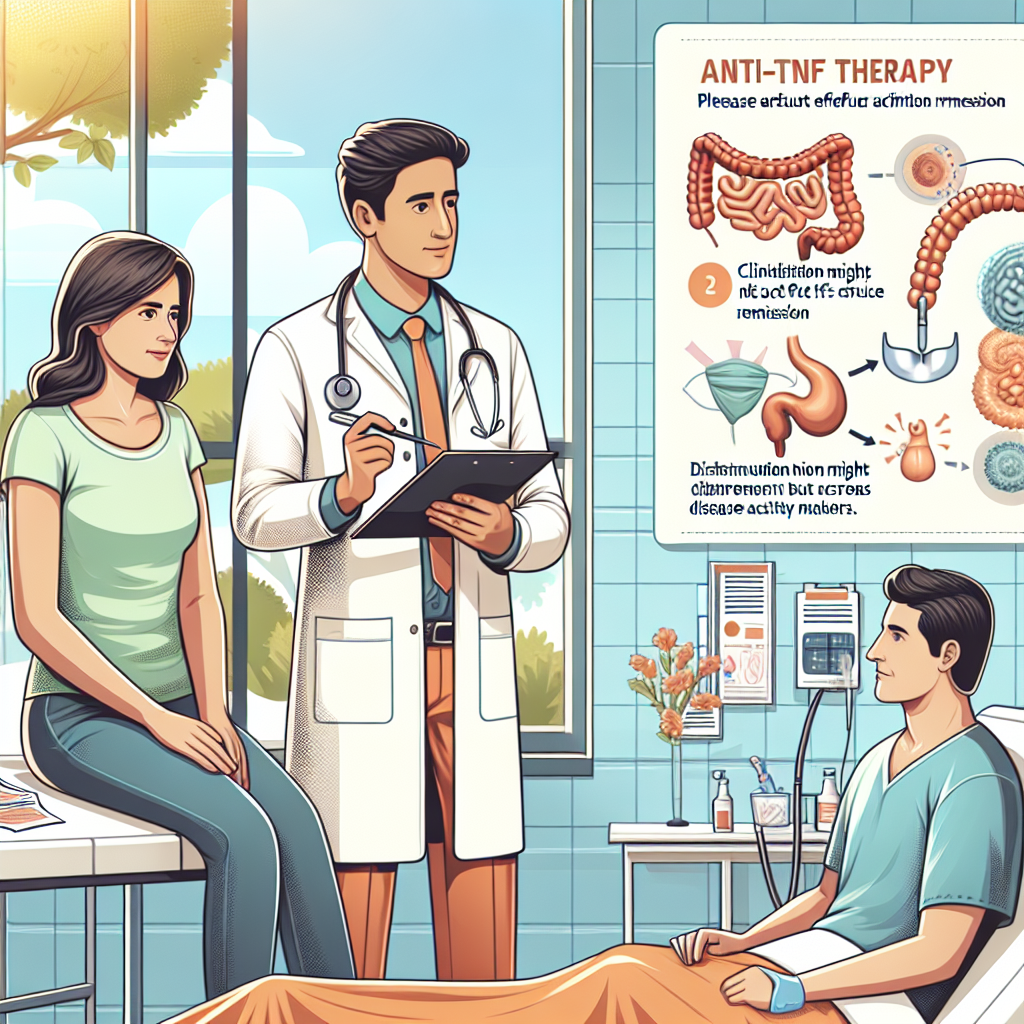
Should You Stop Anti-TNF Therapy in Remission? What New Research Tells Us
New research reveals that stopping anti-TNF therapy during IBD remission may not lead to immediate relapse, but subtle inflammatory markers suggest the disease might still be active beneath the surface. This has important implications for treatment decisions and long-term outcomes.

AI-Powered Hope: Personalized Nutrition for IBD Becomes Reality
University of Ottawa researchers have developed an AI-powered tool that creates personalized nutrition plans for IBD patients based on individual genetics, gut bacteria, and health history. This breakthrough could transform how we approach dietary management, moving beyond generic advice to truly individualized care that adapts to each person’s unique biology and symptoms.

Global IBD Registry Network: Turning Your Story Into Medical Progress
A groundbreaking Global IBD Registry Network is connecting patient data worldwide to accelerate research and improve personalized treatment options. This initiative transforms isolated medical records into powerful insights that could revolutionize IBD care for everyone in our community.
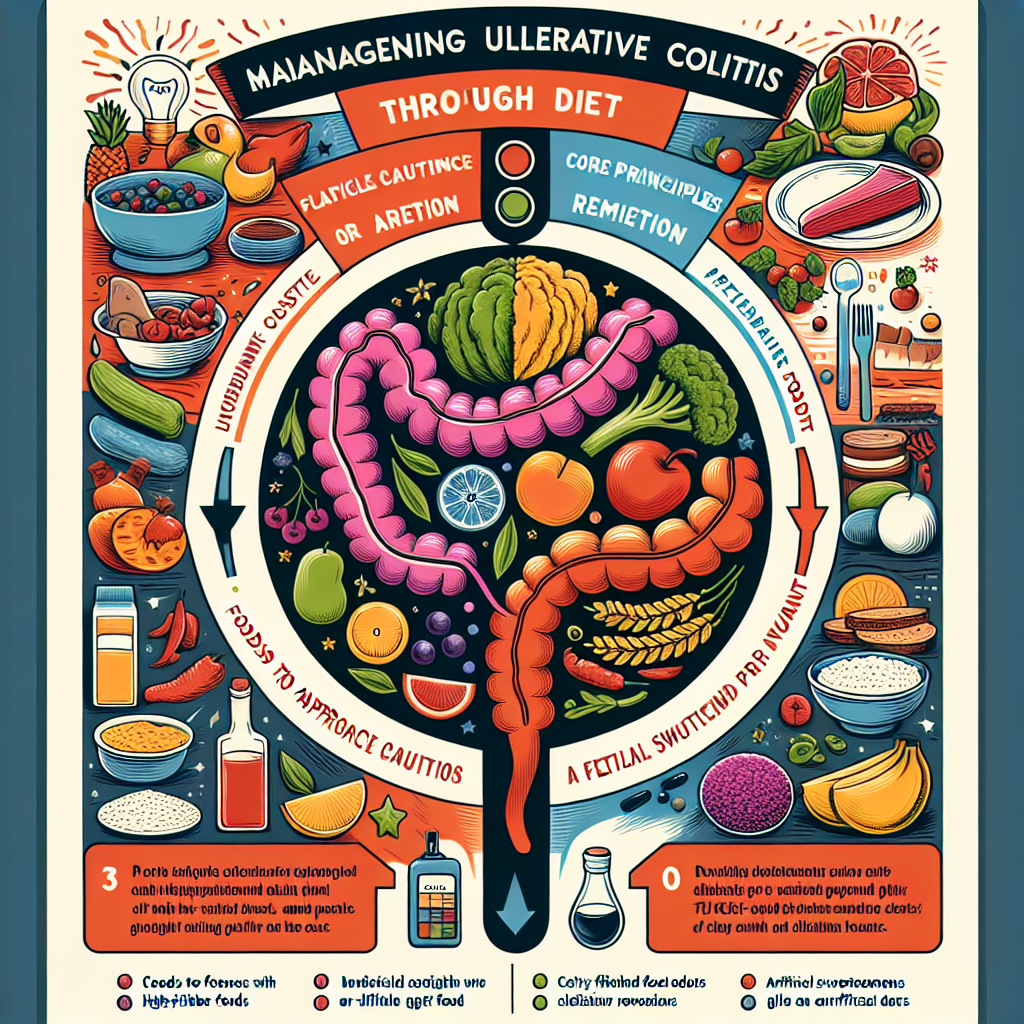
Finding Your Food Peace: Navigating Meals with Ulcerative Colitis
Living with ulcerative colitis transforms every meal into a careful negotiation between nourishment and symptoms. While there’s no universal diet that works for everyone with UC, developing a personalized approach that emphasizes anti-inflammatory foods and individual tolerance can help restore a sense of control and comfort around eating.
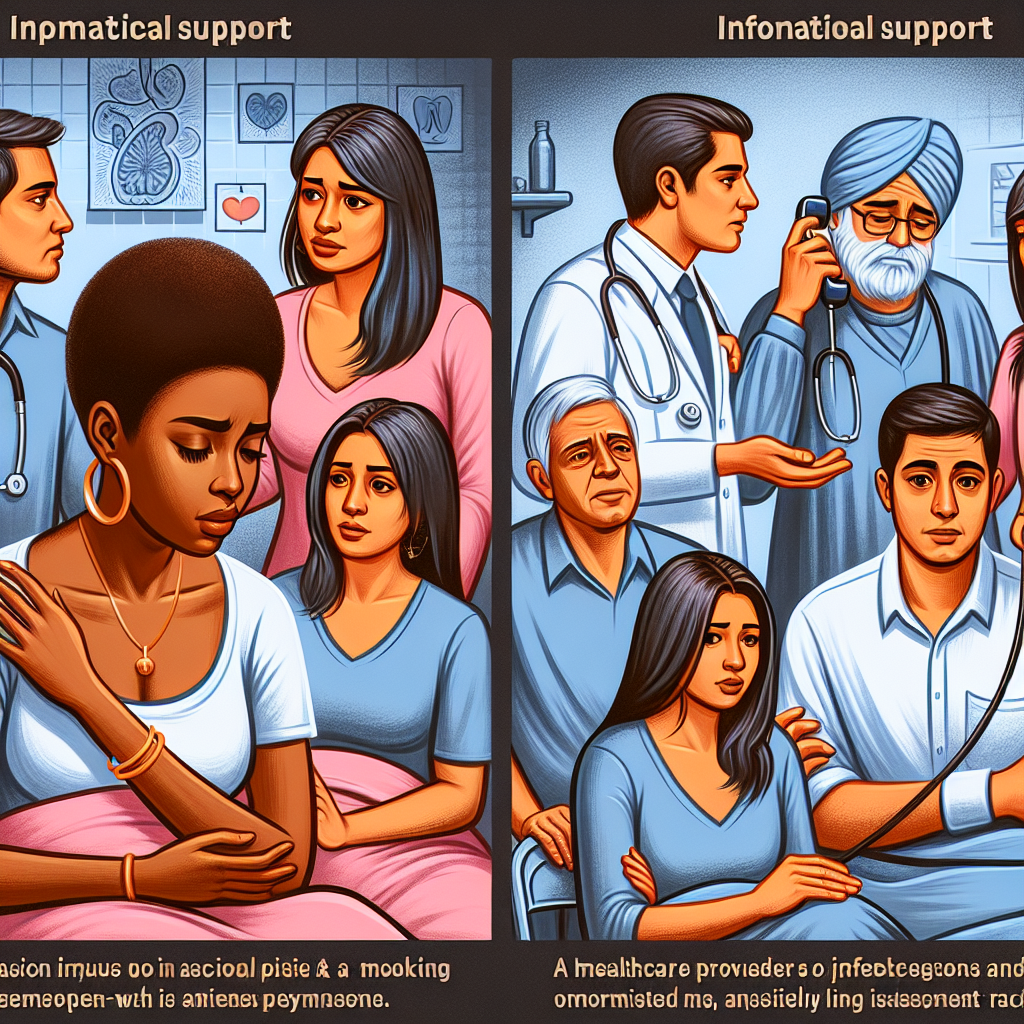
How Social Connection Transforms Life with Crohn’s Disease
Living with Crohn’s disease can feel isolating, but research shows that strong social support networks significantly improve quality of life and health outcomes for IBD patients. Understanding how to build and maintain these crucial connections can transform your experience with chronic illness.
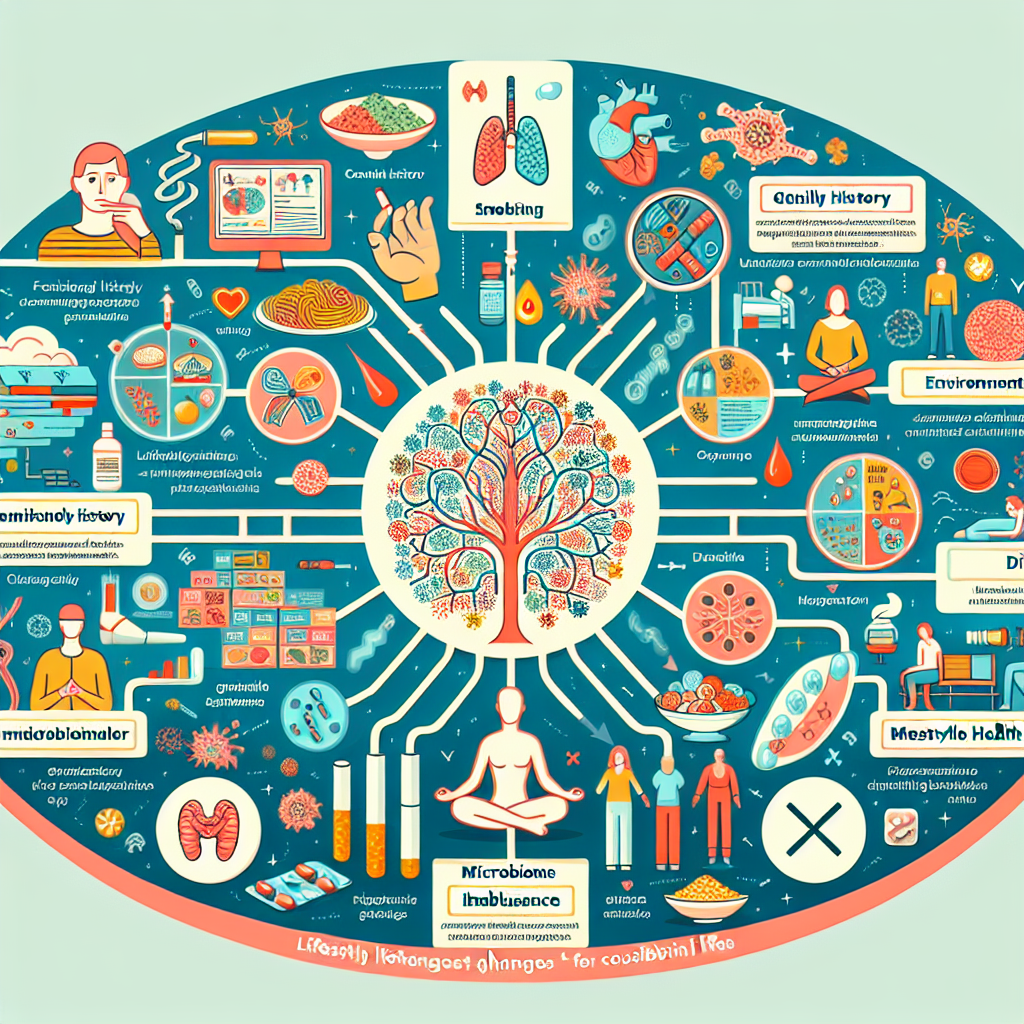
Prevention in Your Hands: Lifestyle Choices That May Lower Crohn’s Risk
New research reveals that lifestyle choices like following a Mediterranean diet, exercising regularly, avoiding smoking, and managing stress may help lower Crohn’s disease risk. For families touched by IBD, these findings offer hope and actionable prevention strategies.
The Hidden Challenge: How IBD Shapes the College Experience
Crohn’s and Colitis Canada awards $75,000 in scholarships for IBD students, recognizing the unique challenges of pursuing higher education with chronic illness. This initiative validates the extra effort required and helps address educational equity gaps.

Music Brings Hope: Singer’s IBD Hospital Visit Creates Connection
Singer-songwriter Mia Wray’s visit to Southampton Hospital shows how music and human connection can bring hope to IBD patients. Her time listening to patient stories highlights the healing power of compassion alongside medical care.
Hope Beyond Medications: New Nerve Therapy Shows Promise for IBD
A new nerve stimulation therapy for IBD is showing promise in early trials, offering hope for treatment that works with your body’s natural systems rather than suppressing your immune system. This innovative approach could represent a significant shift away from traditional medication-heavy treatment plans.