


Latest Posts
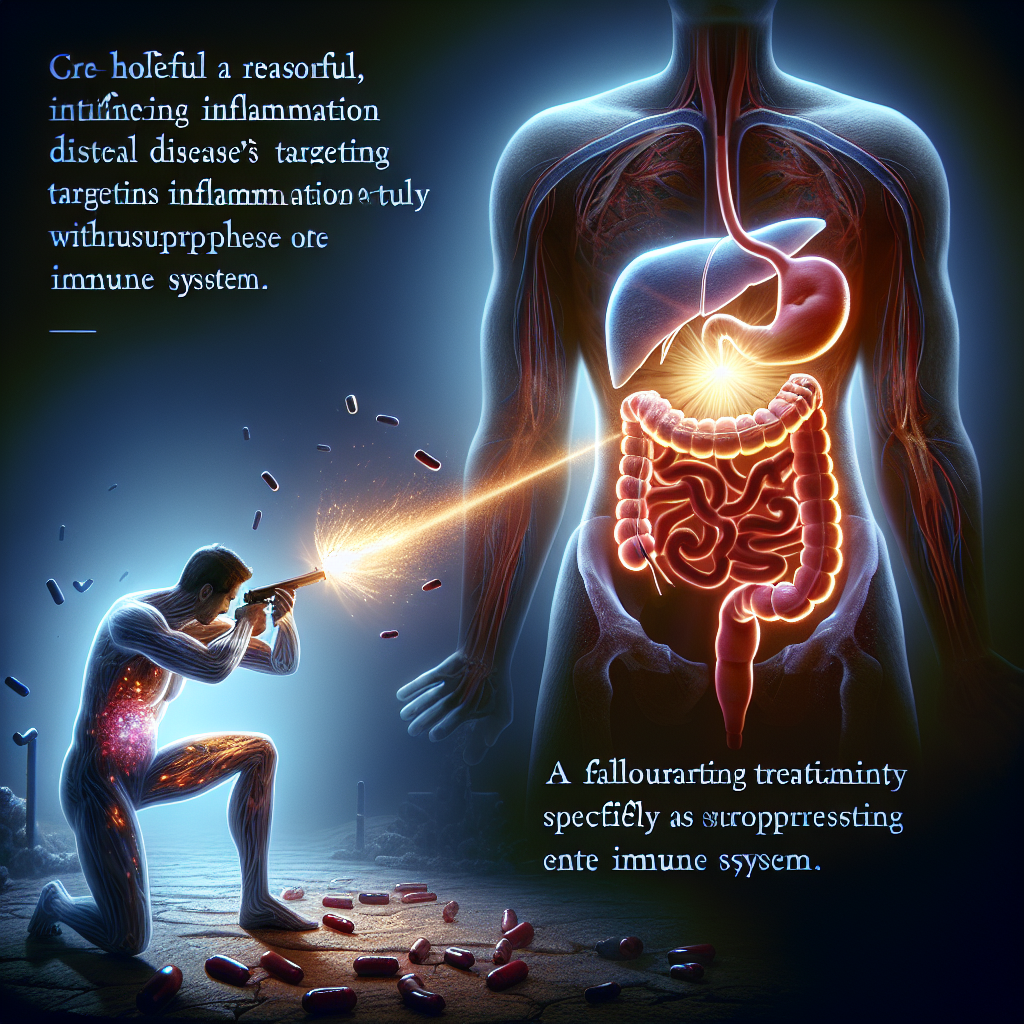
Long-Term Hope: Vedolizumab Proves Safe for Extended IBD Treatment
New long-term safety data for Vedolizumab shows encouraging results for IBD patients, with low rates of serious side effects even after years of use. This evidence provides much-needed reassurance for those considering or currently using this targeted biologic therapy.
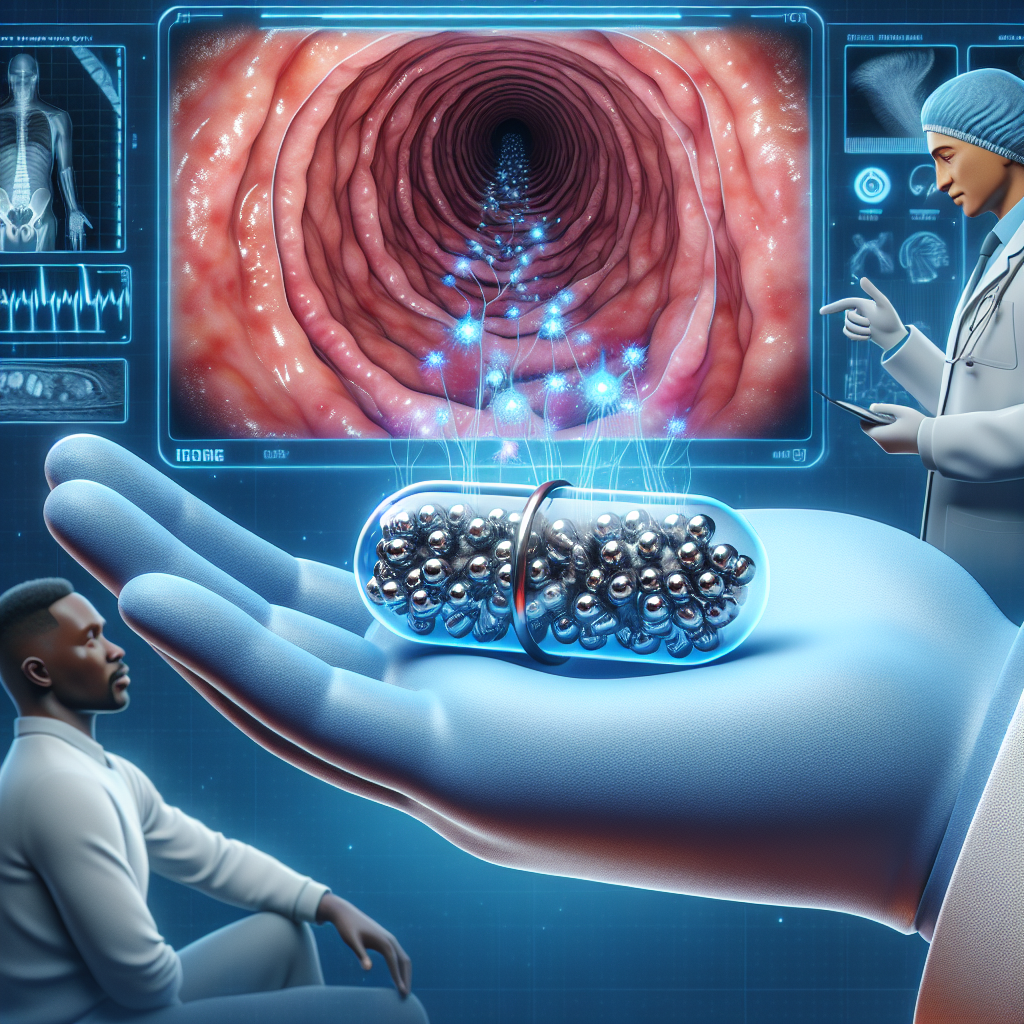
A Swallowable Pill Could Replace Colonoscopies for IBD Patients
Researchers are developing a swallowable ‘magnetic pill’ that could replace many colonoscopies with a simple, non-invasive procedure. For IBD patients who need frequent monitoring, this technology could be life-changing.

Finally, Clearer Answers: New Study Compares IBD Imaging Options
New research directly compares MRI and CT imaging for IBD, showing both are highly effective but excel in different areas. This evidence supports personalized imaging approaches that consider individual patient factors like age, symptoms, and long-term monitoring needs.
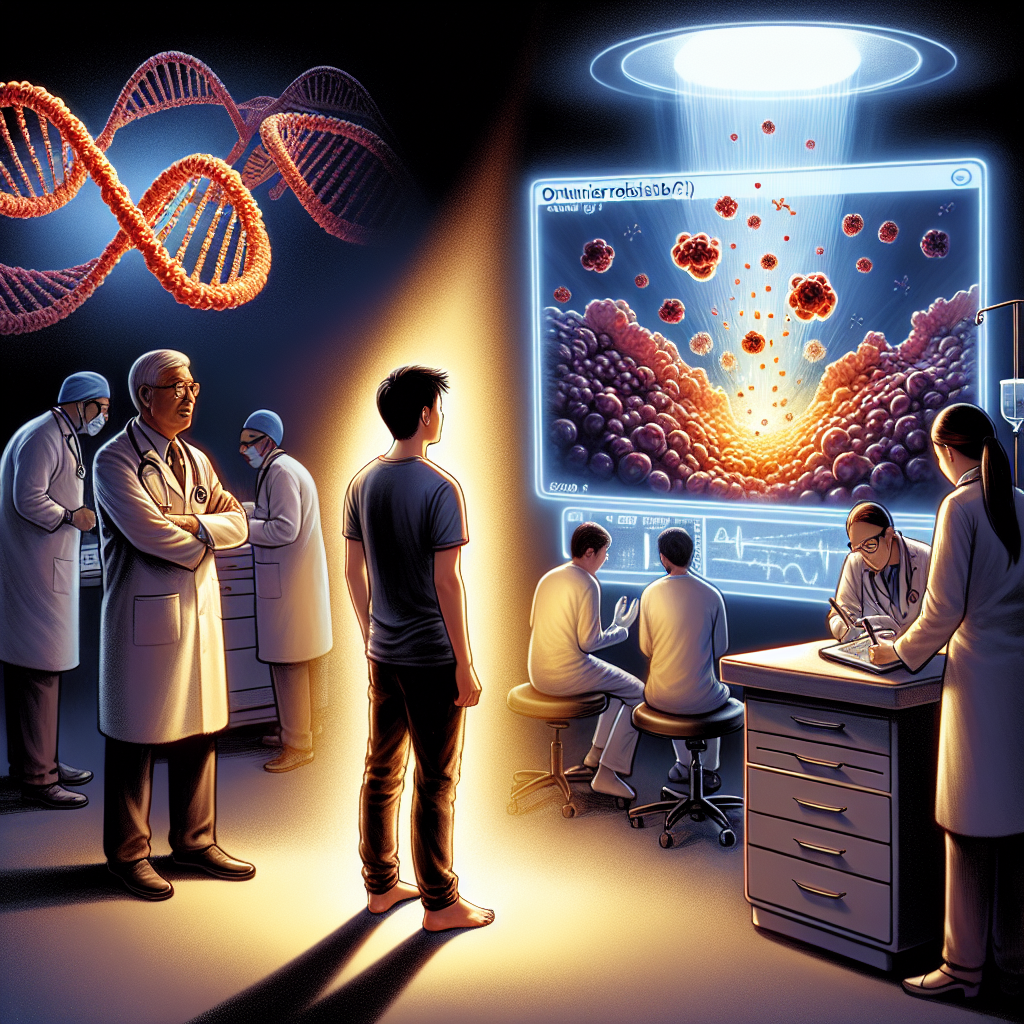
New Hope for Severe Crohn’s: Breakthrough Drug Targets Scarring
Agomab Therapeutics has launched a groundbreaking clinical trial for ontunisertib, a drug specifically targeting fibrostenosing Crohn’s disease—the severe, scarring form that has limited treatment options. This represents the first targeted therapy designed to address the root cause of intestinal scarring rather than just managing symptoms.

The FMT Study That Didn’t Work: What It Teaches Us About Crohn’s
A recent study tested fecal microbiota transplantation (FMT) for Crohn’s disease with disappointing results—but what can we learn from this setback? While FMT didn’t improve remission rates in 8 weeks, the research offers valuable insights for future treatments and reminds us that progress in IBD research often comes through understanding what doesn’t work.
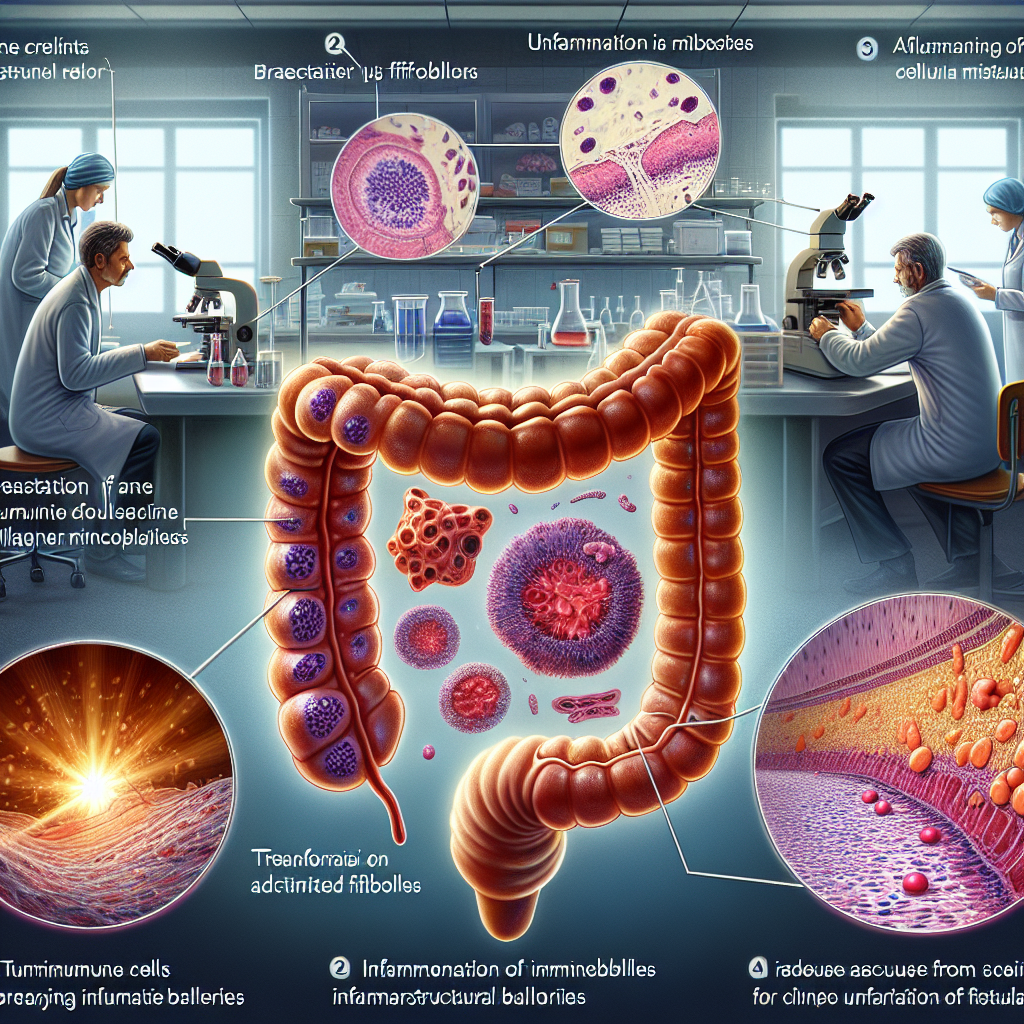
Scientists Uncover Why Fistulas Form—Hope for Crohn’s Patients
New research from University Hospital of Zürich reveals how specific cells called fibroblasts contribute to fistula formation in Crohn’s disease. This breakthrough could lead to targeted treatments that prevent or treat one of IBD’s most challenging complications.